Peanut Butter Ramen
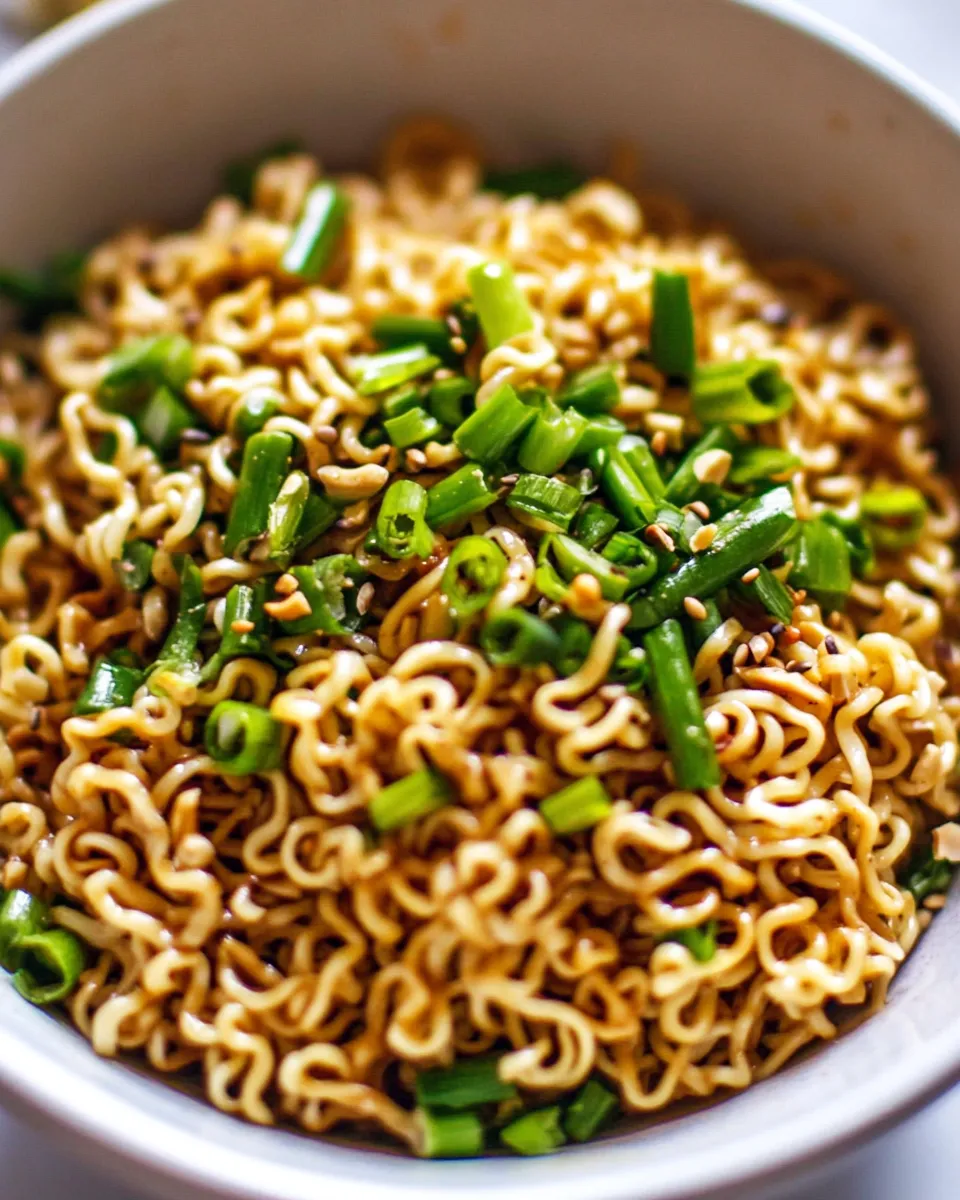
If you’re in search of a dish that’s as comforting as a warm hug and as exciting as a culinary adventure, look no further than Peanut Butter Ramen. This dish effortlessly combines the rich, nutty flavor of peanut butter with the satisfying chewiness of ramen noodles, creating a delightful meal that is both easy to prepare and deeply satisfying. Whether you’re whipping it up for a weeknight dinner or serving it at a casual gathering, this dish is sure to please a crowd. Let’s dive into the details that make this peanut butter ramen stand out!
Why It’s Crowd-Pleasing

Peanut Butter Ramen is not just any noodle dish; it’s an explosion of flavor and texture that captivates the taste buds. The creamy peanut butter creates a luscious sauce that coats each strand of ramen perfectly. Adding edamame or peas introduces a pop of color and a fresh crunch, while the green onions and cilantro lend an aromatic freshness. This dish is also highly customizable, making it easy to adjust the spice level or add your favorite toppings. It’s an all-in-one meal that satisfies cravings for comfort food while still being nutritious.
What to Buy
To make your Peanut Butter Ramen experience delightful, here’s a detailed shopping list to gather your ingredients:
- Instant Ramen Noodles: 5 (3-ounce) packets, totaling 15 ounces.
- Shelled Edamame or Frozen Peas: 2 cups (optional).
- Salt: 2 teaspoons.
- Green Onions: 1 bunch, divided.
- Cilantro: 1/4 cup, finely chopped (optional).
- Sesame Seeds: 4 teaspoons.
- Dry-Roasted Peanuts: A handful, coarsely chopped (optional).
- Natural Creamy Peanut Butter: 3 tablespoons.
- Soy Sauce: 2-1/2 tablespoons (not lite!).
- Rice Vinegar: 1-1/2 tablespoons.
- Toasted Sesame Oil: 2 tablespoons.
- Ginger Paste: 2 teaspoons.
- Garlic Paste or Minced Garlic: 2 teaspoons.
- Light Brown Sugar: 2 teaspoons.
- Sriracha: 2 teaspoons (adjust to taste).
Tools & Equipment Needed
Make sure you have the following tools on hand to whip up your Peanut Butter Ramen:
- Large Pot: For boiling the ramen noodles.
- Whisk: Helps in mixing the sauce ingredients smoothly.
- Measuring Cups and Spoons: For accurate ingredient measurements.
- Cutting Board & Knife: To chop vegetables and herbs.
- Serving Bowls: To present the ramen beautifully.
Peanut Butter Ramen: How It’s Done

Ready to create your delicious Peanut Butter Ramen? Follow these simple steps to bring this dish to life:
Step 1: Cook the Ramen Noodles
Begin by bringing a large pot of water to a boil. Add the instant ramen noodles and cook according to the package instructions, usually about 3-4 minutes. Once cooked, drain the noodles and set aside.
Step 2: Prepare the Sauce
In a mixing bowl, combine the natural creamy peanut butter, soy sauce, rice vinegar, toasted sesame oil, ginger paste, garlic paste, light brown sugar, and Sriracha. Whisk until the mixture is smooth and well combined.
Step 3: Incorporate Edamame or Peas
If you’re using shelled edamame or frozen peas, add them to the pot of boiling water for the last 2 minutes of cooking the ramen. Drain the edamame or peas with the noodles, and set aside.
Step 4: Combine Noodles, Sauce, and Veggies
In the same large pot, add the drained noodles and edamame (or peas) back in. Pour the peanut butter sauce over the noodles and toss everything together until well coated.
Step 5: Garnish and Serve
Chop the green onions and sprinkle half of them over the noodles. If you’re using cilantro, add it in as well. Serve the ramen in individual bowls, garnishing with the remaining green onions, sesame seeds, and coarsely chopped dry-roasted peanuts if desired.
Health-Conscious Tweaks
If you want to make your Peanut Butter Ramen a bit healthier, consider these options:
- Use whole grain or quinoa noodles for added fiber.
- Substitute the peanut butter with almond butter for a different flavor profile.
- Add more vegetables like bell peppers, carrots, or spinach to increase the nutrient content.
- Reduce the amount of Sriracha for a milder version if you are sensitive to spice.
- Opt for low-sodium soy sauce to keep sodium levels in check.
What I Learned Testing
Through testing this recipe, I discovered a few key points that elevate the dish:
- The quality of the peanut butter makes a big difference; go for a natural variety without added sugars or oils.
- Letting the sauce sit for a few minutes before mixing allows the flavors to meld beautifully.
- Adjusting the level of Sriracha can cater to different heat preferences, ensuring everyone enjoys their meal.
- Adding fresh herbs just before serving enhances the flavor and adds a vibrant touch.
Save for Later: Storage Tips
If you have leftovers or want to meal prep this dish, here are some storage tips:
- Store any leftover Peanut Butter Ramen in an airtight container in the refrigerator for up to 3 days.
- Reheat in the microwave or on the stovetop, adding a splash of water or broth to loosen the sauce.
- For best results, it’s recommended to store the sauce separately from the noodles if possible, as the noodles can absorb too much liquid over time.
Common Questions
Can I make this Peanut Butter Ramen vegan?
Yes! All the ingredients in this recipe are plant-based, making it a great vegan option. Just ensure your peanut butter and soy sauce are vegan-friendly.
What can I substitute for ramen noodles?
If you don’t have ramen noodles on hand, you can substitute them with rice noodles, soba noodles, or even spiralized zucchini for a gluten-free option.
Is this recipe spicy?
The level of spiciness depends on how much Sriracha you add. You can easily adjust the amount or omit it if you prefer a milder flavor.
Can I add protein to this dish?
Absolutely! Feel free to add cooked chicken, tofu, or shrimp for a protein boost. Just toss it in when combining the noodles and sauce.
Because You Liked This
If you enjoyed Peanut Butter Ramen, you might also love these recipes:
- Spicy Sesame Noodles
- Creamy Avocado Pasta
- Vegetable Stir-Fry with Peanut Sauce
- Coconut Curry Noodles
Save & Share
If you loved making Peanut Butter Ramen, don’t keep it a secret! Share this recipe with your friends and family. They’ll appreciate the easy-to-follow steps and the delicious results. Whether you’re posting on social media or just passing it along, spread the joy of this unique dish!
There you have it! Peanut Butter Ramen is a delightful twist on traditional ramen that brings together the bold and comforting flavors of peanut butter, all while being quick and easy to prepare. It’s a dish that invites creativity and satisfies even the heartiest of appetites. With the right ingredients and a little love, you can take your ramen game to a whole new level. So grab your chopsticks and dig in!

Peanut Butter Ramen
Ingredients
Equipment
Method
- Step 1: Cook the Ramen NoodlesBegin by bringing a large pot of water to a boil. Add the instant ramen noodles and cook according to the package instructions, usually about 3-4 minutes. Once cooked, drain the noodles and set aside.
- Step 2: Prepare the SauceIn a mixing bowl, combine the natural creamy peanut butter, soy sauce, rice vinegar, toasted sesame oil, ginger paste, garlic paste, light brown sugar, and Sriracha. Whisk until the mixture is smooth and well combined.
- Step 3: Incorporate Edamame or PeasIf you’re using shelled edamame or frozen peas, add them to the pot of boiling water for the last 2 minutes of cooking the ramen. Drain the edamame or peas with the noodles, and set aside.
- Step 4: Combine Noodles, Sauce, and VeggiesIn the same large pot, add the drained noodles and edamame (or peas) back in. Pour the peanut butter sauce over the noodles and toss everything together until well coated.
- Step 5: Garnish and ServeChop the green onions and sprinkle half of them over the noodles. If you’re using cilantro, add it in as well. Serve the ramen in individual bowls, garnishing with the remaining green onions, sesame seeds, and coarsely chopped dry-roasted peanuts if desired.
Notes
- Use whole grain or quinoa noodles for added fiber.
- Substitute the peanut butter with almond butter for a different flavor profile.
- Add more vegetables like bell peppers, carrots, or spinach to increase the nutrient content.