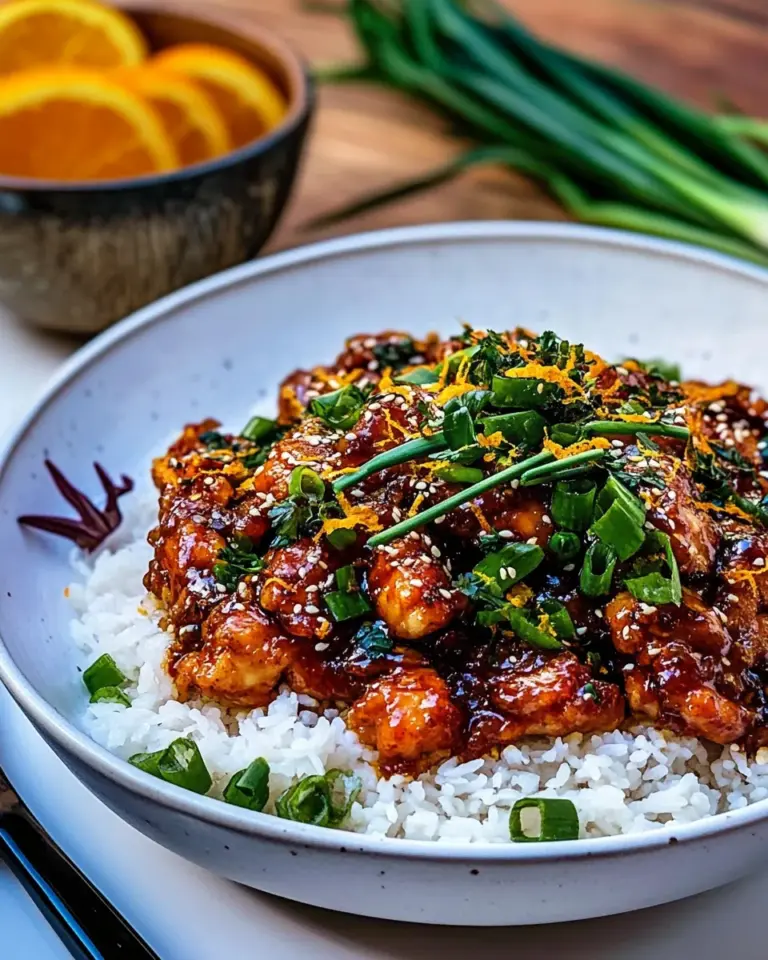
How to Sear Salmon
Searing salmon is a culinary technique that transforms this delicate fish into a beautifully caramelized dish that’s bursting with flavor. Whether you’re cooking for a special occasion or a simple weeknight dinner, knowing how to sear salmon will elevate your meal. With a crispy exterior and moist interior, this method allows the natural richness of the salmon to shine. Let’s dive into the art of searing salmon, ensuring you achieve the perfect bite every time.
What Sets This Recipe Apart
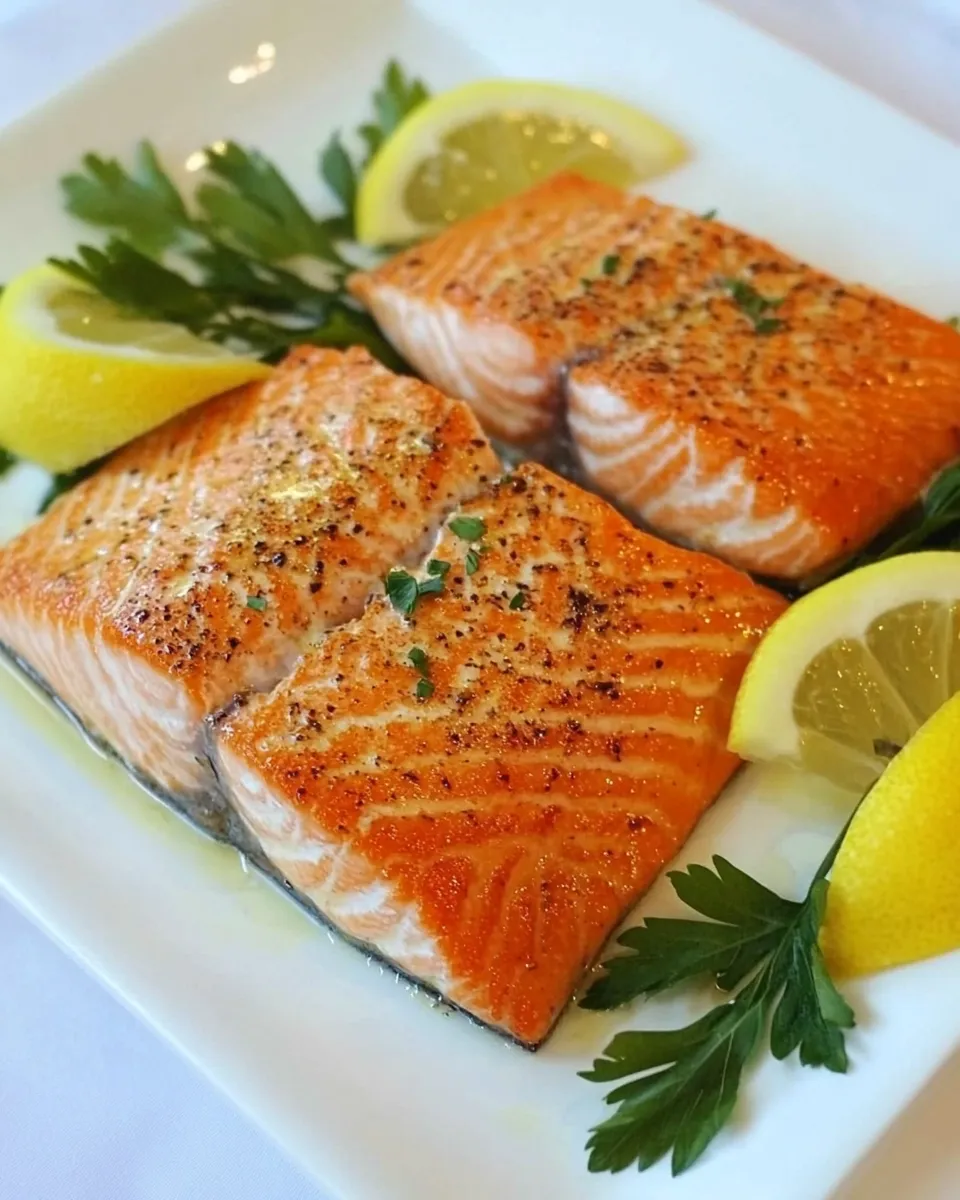
What makes this seared salmon recipe stand out is its simplicity and versatility. Using just a few ingredients—boneless salmon fillets, olive oil, salt, and pepper—you can create a dish that’s both elegant and satisfying. The technique allows for the salmon to develop a wonderful crust while keeping the inside tender and flaky. Plus, it can easily be adapted with different herbs or spices, making it a go-to recipe that you can customize to your taste.
The Essentials
To successfully sear salmon, you’ll need the following essentials:
- Boneless Salmon Fillets: Skin on or skin off, your choice!
- Olive Oil: For a light flavor and excellent searing; avocado oil is a great substitute.
- Salt: Enhances the natural flavors of the salmon.
- Pepper: Adds a touch of spice and depth.
Before You Start: Equipment
Having the right equipment can make the searing process smoother. Here’s what you’ll need:
- Non-stick Skillet: Ideal for even cooking and easy release.
- Spatula: A sturdy one to flip the salmon carefully.
- Meat Thermometer: Optional, but useful for checking doneness.
- Paper Towels: For patting the salmon dry before cooking.
How to Sear Salmon in Steps
Step 1: Prepare the Salmon
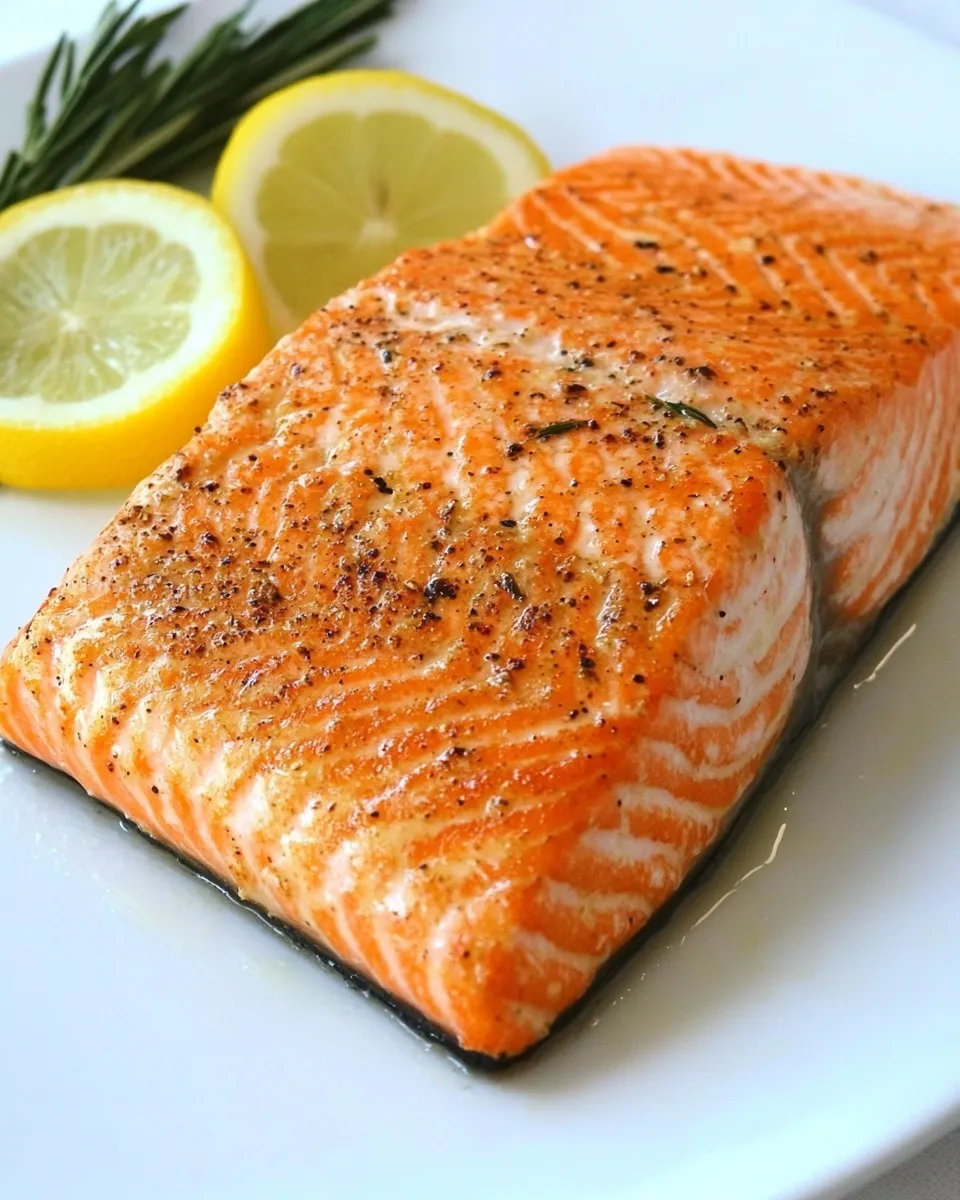
Start by selecting fresh, boneless salmon fillets. If they have skin, ensure it’s scaled and cleaned. Pat the fillets dry with paper towels; moisture is the enemy of a great sear. Season both sides generously with salt and pepper.
Step 2: Heat the Skillet
Place your non-stick skillet over medium-high heat and add 2 tablespoons of olive oil. Allow the oil to heat until it shimmers but does not smoke—this indicates it’s ready for cooking.
Step 3: Sear the Salmon
Carefully place the salmon fillets in the skillet, skin side down if applicable. Avoid overcrowding the pan; you can cook up to four fillets at a time, depending on the size of your skillet. Let them sear without moving them for about 4-5 minutes.
Step 4: Flip and Finish Cooking
Using your spatula, gently flip each fillet over. Cook for an additional 3-4 minutes, or until the salmon is opaque and flakes easily with a fork. The internal temperature should reach 145°F (63°C) for optimal doneness.
Step 5: Rest and Serve
Once cooked, remove the salmon from the skillet and allow it to rest for a few minutes. This helps retain its juiciness. Serve with your favorite sides, and enjoy!
Healthier Substitutions
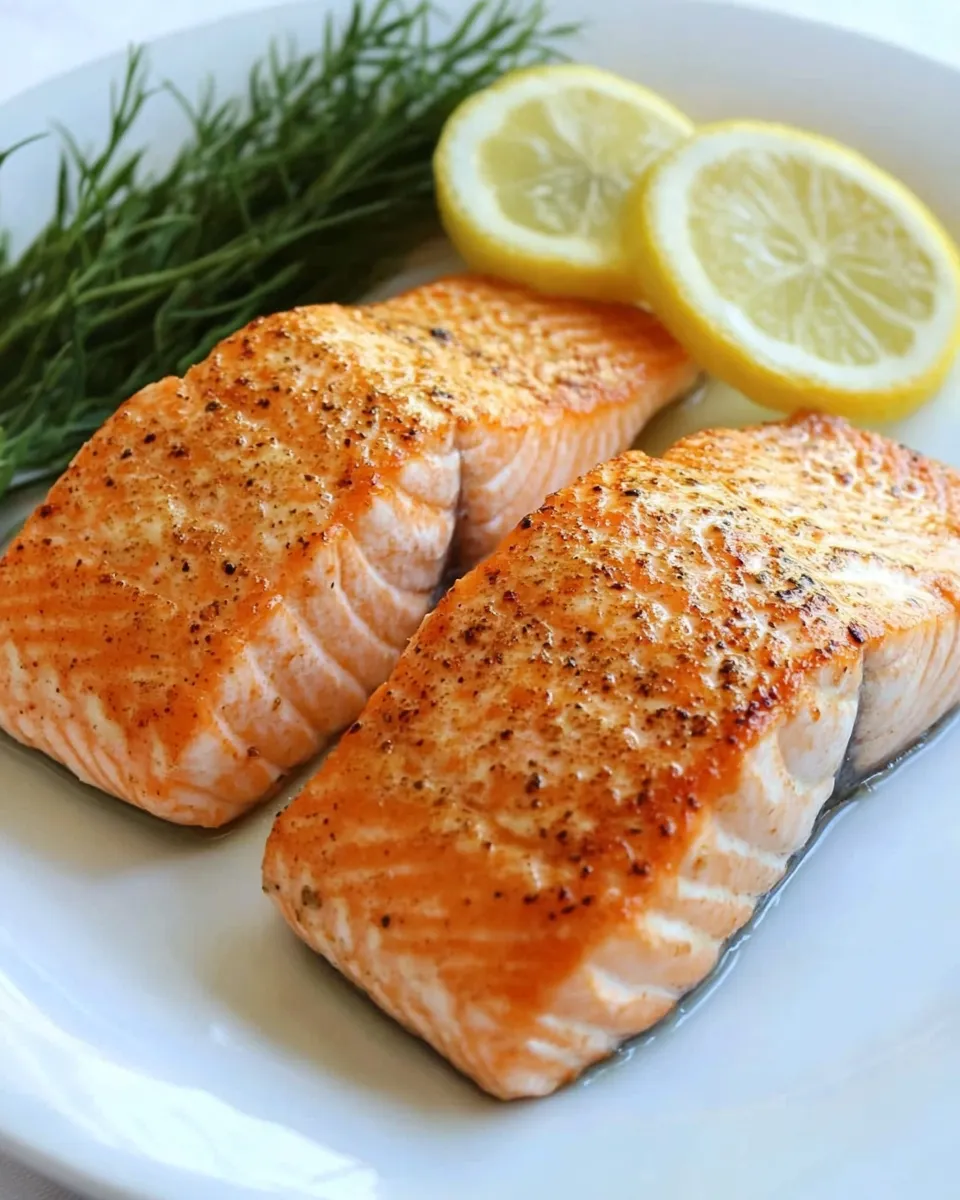
If you’re looking to make your seared salmon even healthier, consider these substitutions:
- Olive Oil: Avocado oil or coconut oil for a different flavor.
- Salt: Use sea salt or a salt-free seasoning blend.
- Herbs: Fresh herbs like dill or parsley instead of heavy sauces.
- Lemon Juice: A splash of fresh lemon juice for added flavor instead of marinades.
Watch Outs & How to Fix
When learning how to sear salmon, there are a couple of common pitfalls to watch for:
- Sticking to the Pan: Ensure your pan is well-oiled and preheated before adding the fish.
- Overcooking: Watch the time carefully; salmon cooks quickly. Use a meat thermometer if unsure.
- Uneven Cooking: Make sure the fillets are of similar thickness for even cooking.
Storage & Reheat Guide
If you have leftovers, here’s how to store and reheat your seared salmon:
Store the cooked salmon in an airtight container in the refrigerator for up to 3 days. To reheat, place the salmon in a preheated oven at 275°F (135°C) for about 15 minutes, or until warmed through. This helps preserve the texture without drying it out.
Common Qs About How to Sear Salmon
Can I use frozen salmon fillets?
Yes! Just ensure to thaw them completely before cooking for the best results. Pat them dry to remove excess moisture.
What’s the best type of salmon for searing?
Wild-caught salmon, like sockeye or coho, is often preferred for its rich flavor and texture. However, farmed salmon can also work well.
Can I cook salmon without oil?
While it is possible, using oil helps achieve a crispy exterior and prevents the salmon from sticking to the pan. If avoiding oil, use a non-stick skillet and consider using broth or lemon juice.
How do I know when salmon is done?
The salmon should turn opaque and flake easily with a fork. You can also use a meat thermometer to check for an internal temperature of 145°F (63°C).
Desserts to Finish
Complete your meal with a delightful dessert! Here are some sweet ideas:
- Chocolate Chip Cookies
- Healthy Vanilla Coconut Chia Pudding
- Easy Vegan Chocolate Cake
- No-Bake Cheesecake
See You at the Table
Now that you’ve mastered how to sear salmon, you can impress your family and friends with this delicious dish. Pair it with your favorite sides, or experiment with different flavors and ingredients. The world of seared salmon is full of possibilities. Enjoy the process and the delightful results that follow!
Searing salmon is not just about cooking a meal; it’s about creating an experience that brings people together. With the right technique, you can savor the incredible flavors and textures that this beautiful fish has to offer. Whether you’re a seasoned chef or a novice in the kitchen, this guide on how to sear salmon will set you up for success. Happy cooking!
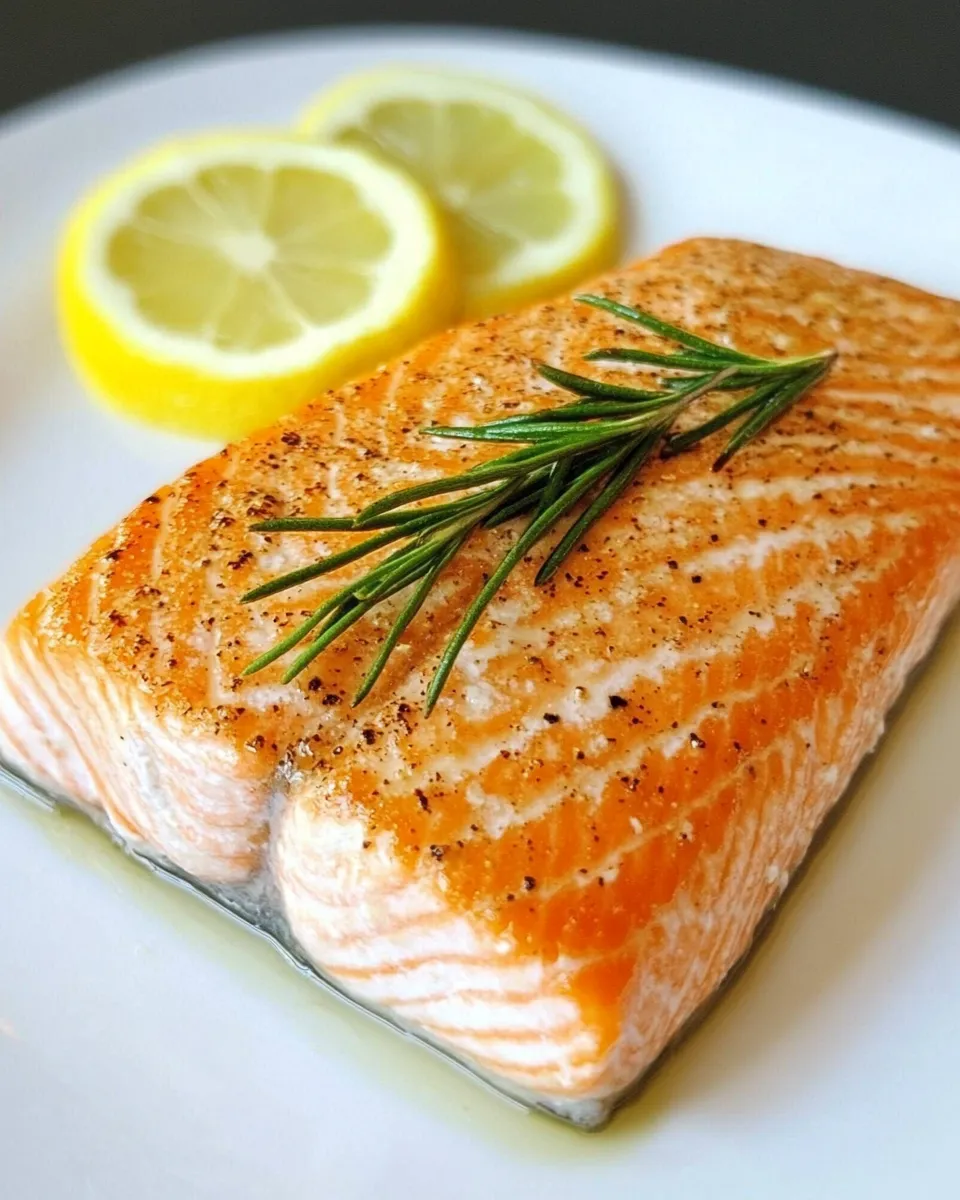
How to Sear Salmon
Ingredients
Equipment
Method
- Step 1: Prepare the Salmon - Pat the fillets dry with paper towels and season both sides generously with salt and pepper.
- Step 2: Heat the Skillet - Place your non-stick skillet over medium-high heat and add olive oil. Heat until shimmering.
- Step 3: Sear the Salmon - Place the salmon fillets in the skillet skin side down. Let them sear without moving for about 4-5 minutes.
- Step 4: Flip and Finish Cooking - Gently flip each fillet and cook for an additional 3-4 minutes until opaque and flakes easily.
- Step 5: Rest and Serve - Remove the salmon from the skillet and let it rest for a few minutes before serving.
Notes
- Pat the salmon dry to achieve a better sear.
- Use a meat thermometer to check for doneness (145°F).
- Store leftovers in an airtight container for up to 3 days.