Pad Thai Shrimp
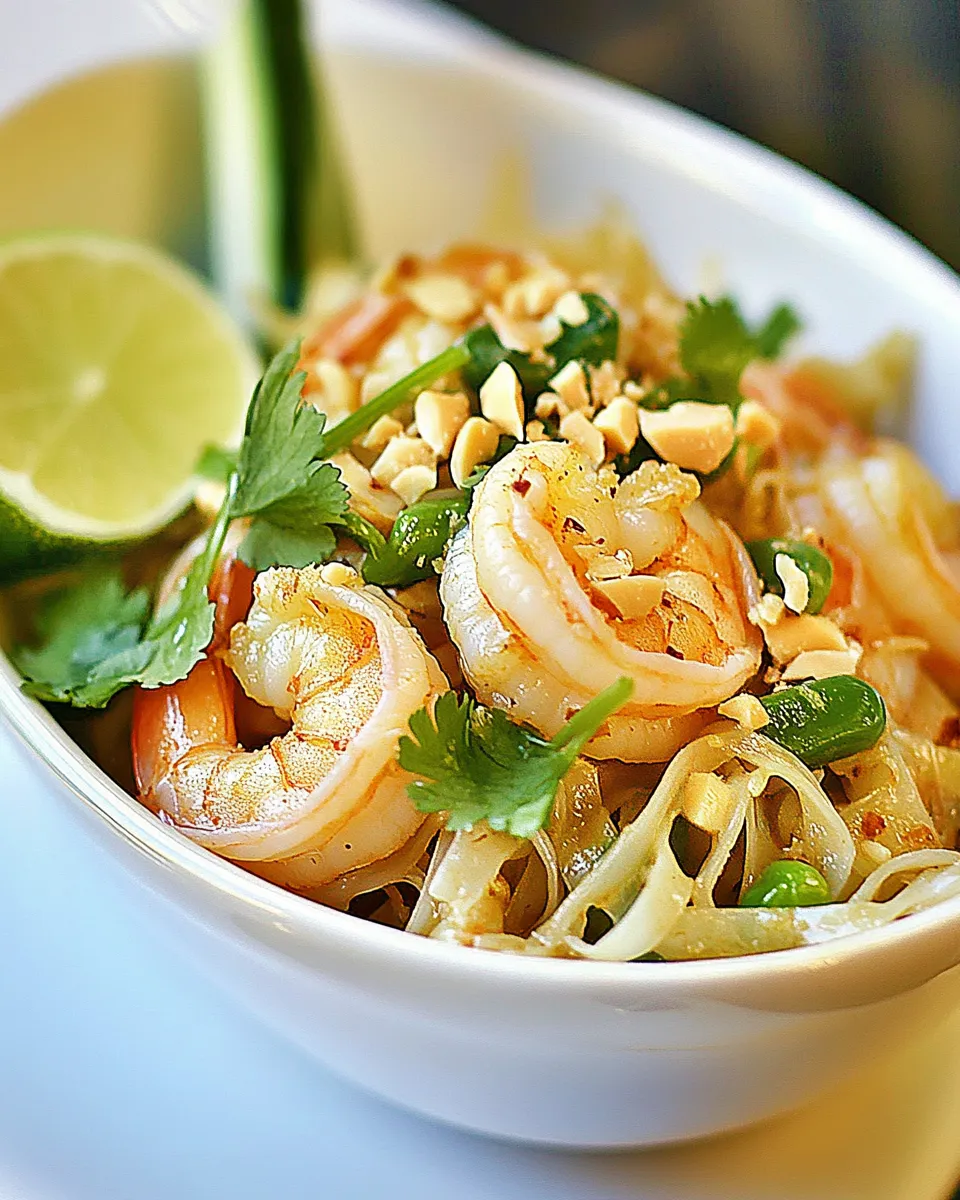
If you’re looking for a dish that will transport you straight to the bustling streets of Thailand, look no further than this Pad Thai Shrimp recipe. This beloved classic is a perfect combination of tangy, sweet, and savory flavors, all wrapped around tender rice noodles and succulent shrimp. Whether you’re hosting a dinner party or just treating yourself to a delicious meal, this dish is sure to impress. With fresh ingredients and a simple cooking process, you’ll find that Pad Thai Shrimp is not only quick to make but also incredibly satisfying.
Why It’s Crowd-Pleasing
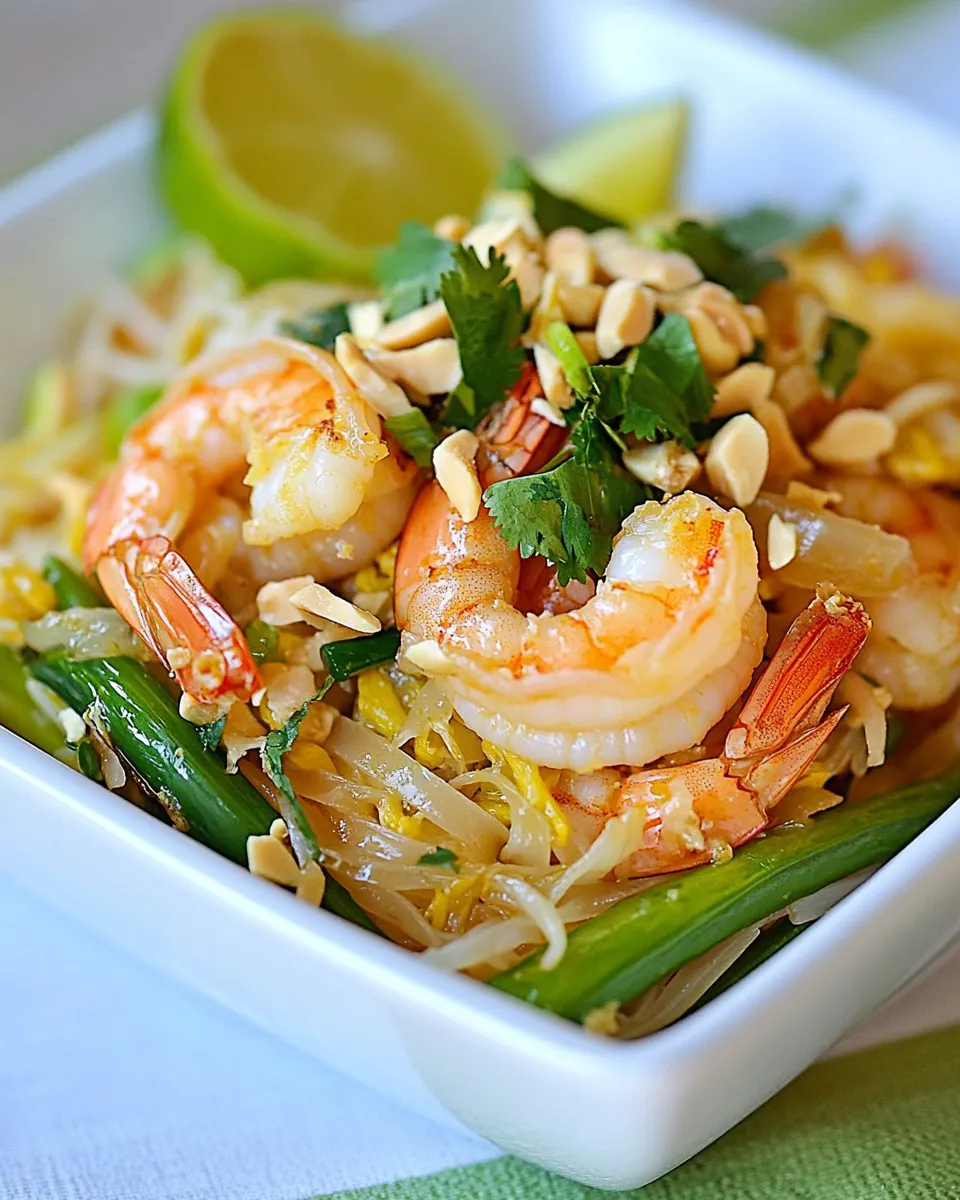
Pad Thai Shrimp is the kind of dish that appeals to a wide range of palates. The balance of flavors, the delightful texture of the noodles, and the juiciness of the shrimp make it a favorite among many. It’s also highly customizable, allowing you to adjust the heat level or swap in different proteins or veggies based on your preferences. Whether you’re serving it to friends, family, or just enjoying a quiet night in, this recipe is guaranteed to satisfy.
Gather These Ingredients
- 8 ounces thick rice stick noodles – The star of the show, these noodles soak up all the flavors.
- ½ cup freshly squeezed lime juice – Adds a refreshing zing that brightens the dish.
- ½ cup water – Used to help create the sauce.
- 3 tablespoons fish sauce – A key ingredient that gives Pad Thai its signature umami flavor.
- 1 tablespoon unseasoned rice vinegar – Balances out the sweetness and saltiness.
- 3 tablespoons brown sugar – Adds a touch of sweetness to the dish.
- 4 tablespoons vegetable or canola oil, divided – For frying and adding richness.
- 12 ounces medium shrimp, peeled and deveined – The protein that makes this dish so satisfying.
- 3 cloves garlic, minced – Infuses the dish with aromatic flavor.
- 2 large eggs, beaten lightly – Adds richness and texture.
- Salt – To taste, enhancing all the flavors.
- 6 tablespoons chopped, unsalted roasted peanuts – For crunch and nuttiness.
- 3 cups bean sprouts, well rinsed – Adds freshness and a nice crunch.
- 5 whole green onions, sliced thinly – For garnish and flavor.
- 1 medium lime, cut into wedges – For serving and additional zing.
- ½ cup chopped fresh cilantro – A fragrant herb that brightens the dish.
Recommended Tools
- Large Pot – For boiling the noodles.
- Wok or Large Skillet – Ideal for stir-frying the shrimp and veggies.
- Measuring Cups and Spoons – To ensure accurate ingredient measurements.
- Spatula or Wooden Spoon – For stirring and mixing.
- Knife and Cutting Board – For chopping ingredients.
Pad Thai Shrimp — Do This Next
Step 1: Prepare the Noodles
Start by soaking the thick rice stick noodles in warm water for about 30 minutes or until they are pliable but not fully cooked. Drain and set aside.
Step 2: Make the Sauce
In a small bowl, whisk together the lime juice, water, fish sauce, rice vinegar, and brown sugar until the sugar dissolves. Set this mixture aside as it will be used to flavor the noodles.
Step 3: Cook the Shrimp
In a large wok or skillet, heat 2 tablespoons of oil over medium-high heat. Add the shrimp and cook for 2-3 minutes until they turn pink and opaque. Remove the shrimp from the pan and set aside.
Step 4: Sauté the Garlic
In the same skillet, add another tablespoon of oil. Sauté the minced garlic for about 30 seconds, or until fragrant. Be careful not to burn it!
Step 5: Scramble the Eggs
Push the garlic to one side of the skillet and pour in the beaten eggs. Scramble them until just set, then mix them into the garlic.
Step 6: Combine Everything
Add the soaked noodles to the skillet, along with the sauce you prepared earlier. Toss everything together to coat the noodles evenly.
Step 7: Add the Shrimp and Veggies
Return the cooked shrimp to the skillet, along with the bean sprouts and green onions. Stir-fry for another 2-3 minutes, allowing the noodles to absorb the sauce and everything to heat through.
Step 8: Serve
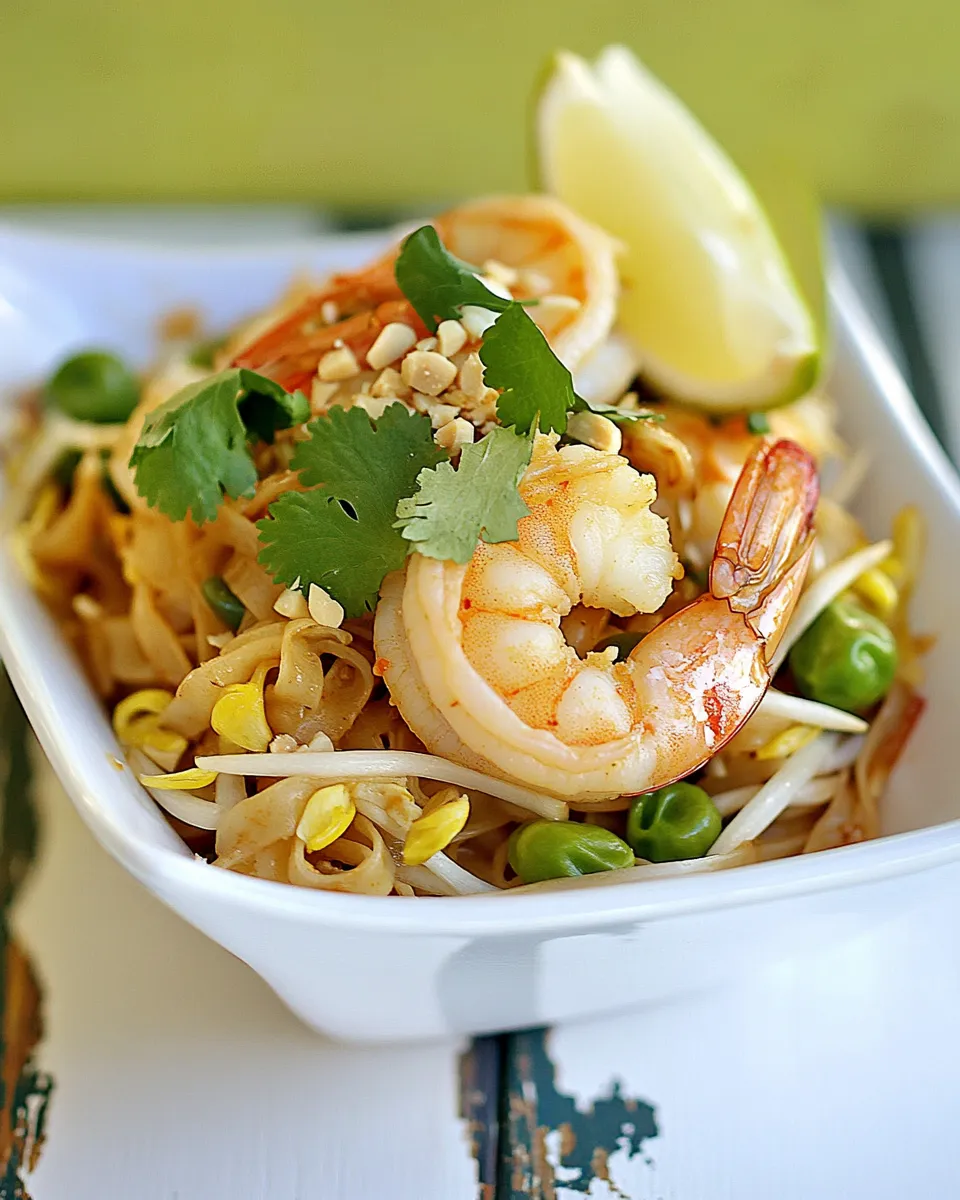
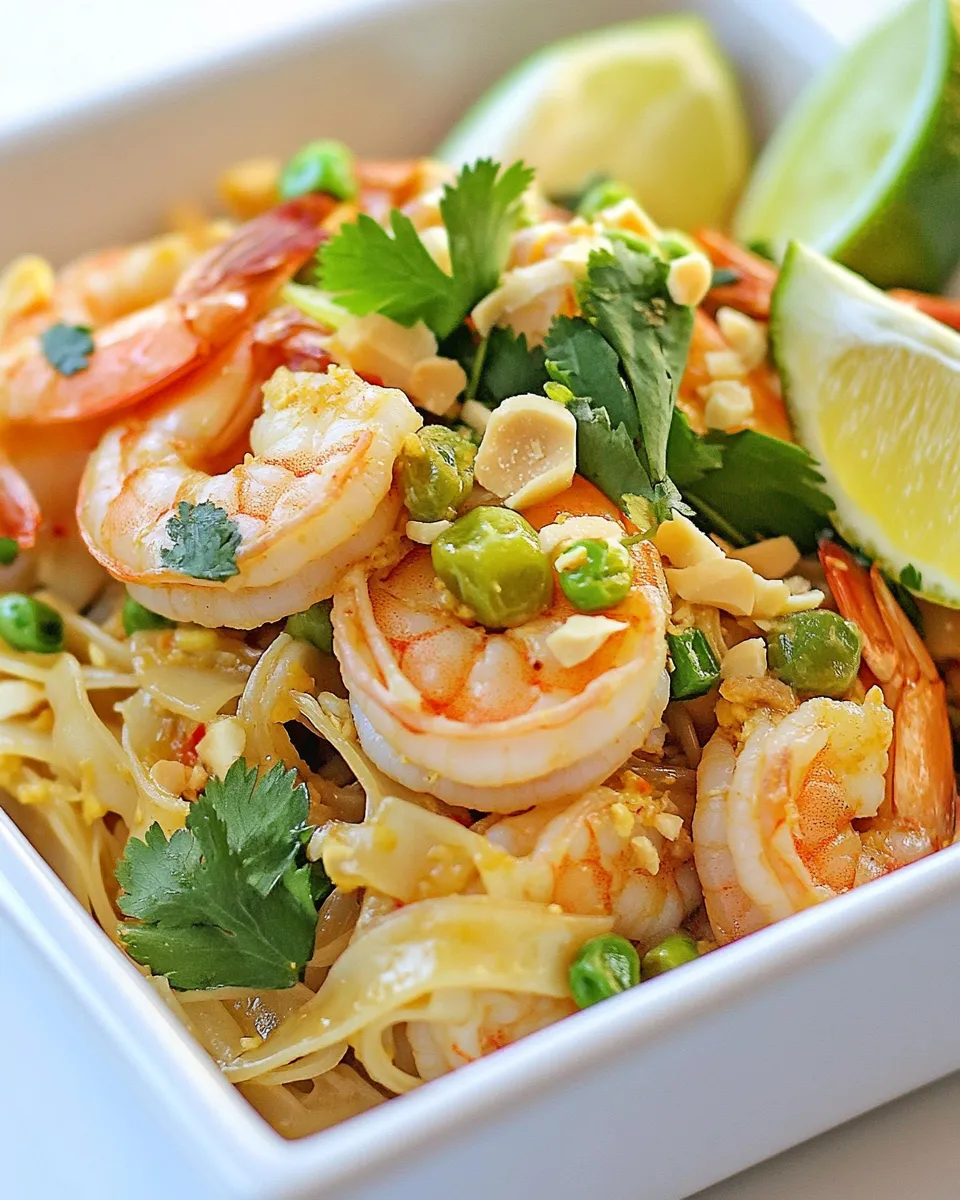
Remove from heat and transfer to serving plates. Garnish with chopped peanuts, fresh cilantro, and lime wedges. Enjoy your homemade Pad Thai Shrimp!
Allergy-Friendly Swaps
- Shrimp – Substitute with chicken, tofu, or a mix of vegetables for a vegetarian option.
- Fish Sauce – Use soy sauce or coconut aminos for a vegetarian alternative.
- Brown Sugar – Maple syrup or coconut sugar can be used as a sweetener substitute.
- Peanuts – Sunflower seeds or pumpkin seeds work well for nut allergies.
Easy-to-Miss Gotchas
- Soak the rice noodles long enough to make them pliable, but avoid over-soaking as they can become mushy.
- Ensure the garlic does not burn when sautéing, as it can turn bitter and affect the flavor of the dish.
- Be mindful of the cooking time for shrimp; overcooking can make them tough and rubbery.
- Mix the sauce ingredients thoroughly to ensure an even flavor distribution throughout the dish.
Storage & Reheat Guide
Leftover Pad Thai Shrimp can be stored in an airtight container in the refrigerator for up to 2 days. To reheat, simply warm it in a skillet over medium heat, adding a splash of water or lime juice to help restore moisture. You can also microwave it in short intervals, stirring in between, until heated through.
Pad Thai Shrimp Q&A
Can I use another type of noodle?
Absolutely! While thick rice stick noodles are traditional, you can use other types like rice vermicelli or even whole wheat noodles if you prefer.
Is Pad Thai Shrimp spicy?
This recipe is not inherently spicy, but you can add chili flakes or fresh chilies if you like a bit of heat. Adjust according to your preference!
Can I make this dish ahead of time?
While Pad Thai is best enjoyed fresh, you can prepare the sauce and chop all your ingredients in advance. Just cook everything together when you’re ready to eat.
What can I serve with Pad Thai Shrimp?
Pad Thai Shrimp is a complete meal on its own, but you can serve it with a side of spring rolls or a light salad for a more substantial feast.
Weekend Projects
- Vegan Pad Thai Recipe – A plant-based twist on a classic.
- Thai Coconut Curry Soup – Another delicious Thai-inspired dish.
- Easy Pad Thai – A simpler version for a quick weeknight meal.
Next Steps
Now that you have this delightful Pad Thai Shrimp recipe in your culinary arsenal, it’s time to gather your ingredients and get cooking. This dish not only brings a taste of Thailand to your kitchen but also provides a fun and interactive cooking experience. Whether you’re cooking for yourself or hosting a gathering, this Pad Thai Shrimp will surely become a favorite. Enjoy the vibrant flavors and the satisfaction of creating a beloved classic right at home!
Pad Thai Shrimp
Ingredients
Equipment
Method
- Step 1: Prepare the Noodles - Start by soaking the thick rice stick noodles in warm water for about 30 minutes or until they are pliable but not fully cooked. Drain and set aside.
- Step 2: Make the Sauce - In a small bowl, whisk together the lime juice, water, fish sauce, rice vinegar, and brown sugar until the sugar dissolves. Set this mixture aside as it will be used to flavor the noodles.
- Step 3: Cook the Shrimp - In a large wok or skillet, heat 2 tablespoons of oil over medium-high heat. Add the shrimp and cook for 2-3 minutes until they turn pink and opaque. Remove the shrimp from the pan and set aside.
- Step 4: Sauté the Garlic - In the same skillet, add another tablespoon of oil. Sauté the minced garlic for about 30 seconds, or until fragrant. Be careful not to burn it!
- Step 5: Scramble the Eggs - Push the garlic to one side of the skillet and pour in the beaten eggs. Scramble them until just set, then mix them into the garlic.
- Step 6: Combine Everything - Add the soaked noodles to the skillet, along with the sauce you prepared earlier. Toss everything together to coat the noodles evenly.
- Step 7: Add the Shrimp and Veggies - Return the cooked shrimp to the skillet, along with the bean sprouts and green onions. Stir-fry for another 2-3 minutes, allowing the noodles to absorb the sauce and everything to heat through.
- Step 8: Serve - Remove from heat and transfer to serving plates. Garnish with chopped peanuts, fresh cilantro, and lime wedges. Enjoy your homemade Pad Thai Shrimp!
Notes
- Soak the rice noodles long enough to make them pliable, but avoid over-soaking as they can become mushy.
- Ensure the garlic does not burn when sautéing, as it can turn bitter and affect the flavor of the dish.
- Be mindful of the cooking time for shrimp; overcooking can make them tough and rubbery.