Sauted Shrimp
Sauted shrimp is one of those delightful dishes that can brighten up any meal. It’s quick, flavorful, and incredibly versatile, making it a favorite among both novice and seasoned cooks. Picture plump, juicy shrimp glistening with a touch of olive oil and butter, perfectly seasoned with aromatic spices. Whether served over pasta, in a taco, or simply on a bed of greens, sauted shrimp can elevate any dining experience. Let’s dive into the world of this delicious dish and explore why it deserves a spot in your kitchen repertoire.
Top Reasons to Make Sauted Shrimp
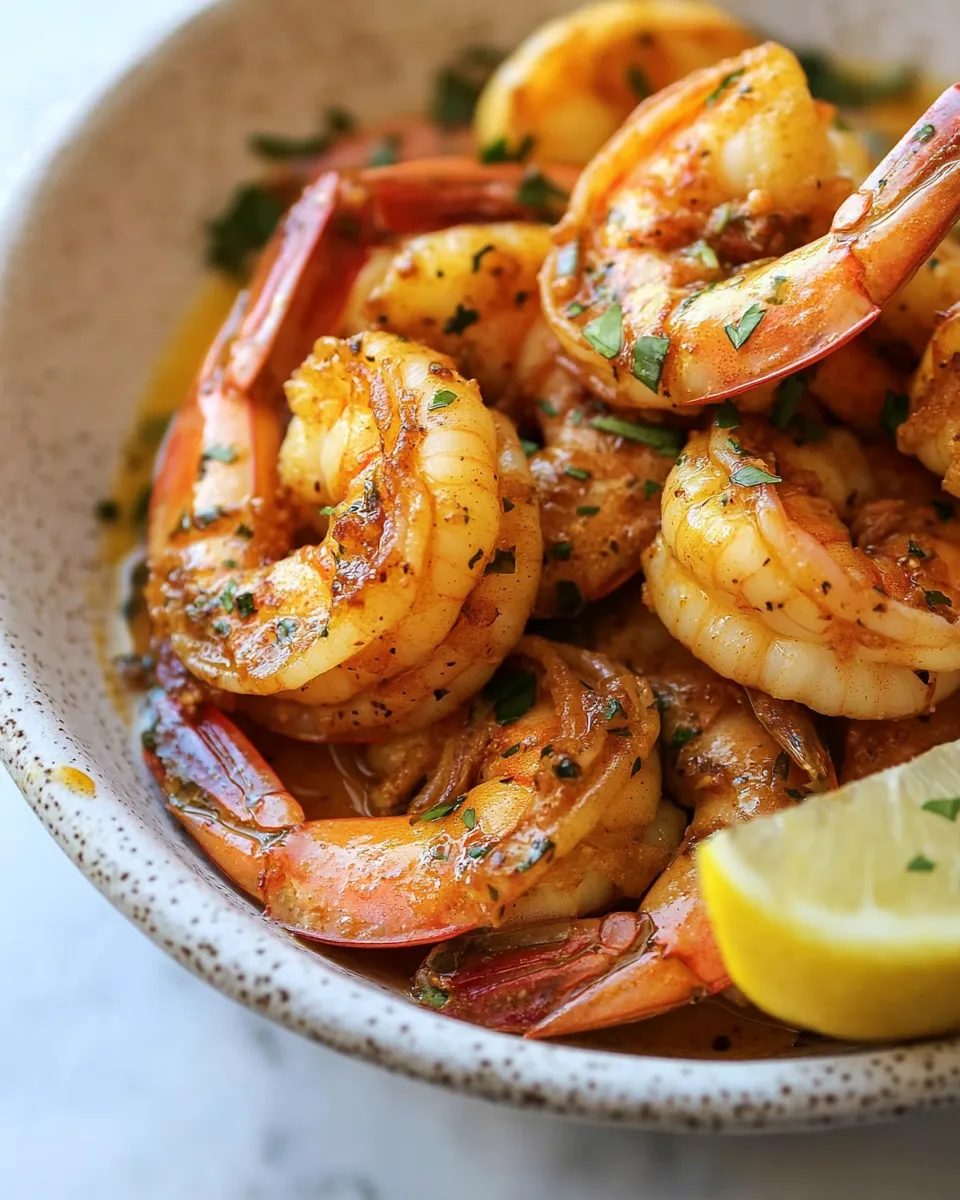
Sauted shrimp is not only a treat for the taste buds but also a practical choice for busy weeknights. Here are some compelling reasons to whip up this dish:
- Quick and Easy: This recipe takes less than 15 minutes from start to finish, making it perfect for last-minute dinners.
- Healthy Option: Shrimp is a lean protein, low in calories and high in essential nutrients.
- Flavorful: The combination of spices like smoked paprika and garlic powder infuses the shrimp with robust flavors.
- Versatile: Serve it over rice, in a salad, or as a filling for tacos or wraps.
- Impressive: It’s an elegant dish that can wow your guests, yet it’s deceptively simple to prepare.
What Goes Into Sauted Shrimp
Creating the perfect sauted shrimp requires just a handful of ingredients. Here’s what you’ll need:
- 1 pound large shrimp: Peeled and deveined for convenience.
- Salt and pepper to taste: Essential for basic seasoning.
- 1 teaspoon smoked paprika: Adds a rich, smoky flavor.
- 1 teaspoon garlic powder: Enhances the dish with aromatic notes.
- 1 teaspoon ground cumin: Adds warmth and depth to the flavor profile.
- 2 tablespoons extra-virgin olive oil: For a healthy fat that aids in cooking and flavor.
- 1 tablespoon butter, cold: To finish the dish with richness.
- 3 tablespoons fresh parsley, chopped: For garnish and a pop of color.
- 1 large lemon, cut into wedges: A zesty garnish that brightens the dish.
Toolbox for This Recipe
To make the cooking process smooth and enjoyable, here’s what you’ll need:
- Large skillet: A sturdy pan is essential for even cooking.
- Spatula: For flipping and stirring the shrimp.
- Measuring spoons: To ensure accurate seasoning.
- Cutting board and knife: For chopping parsley and lemon.
Mastering Sauted Shrimp: How-To
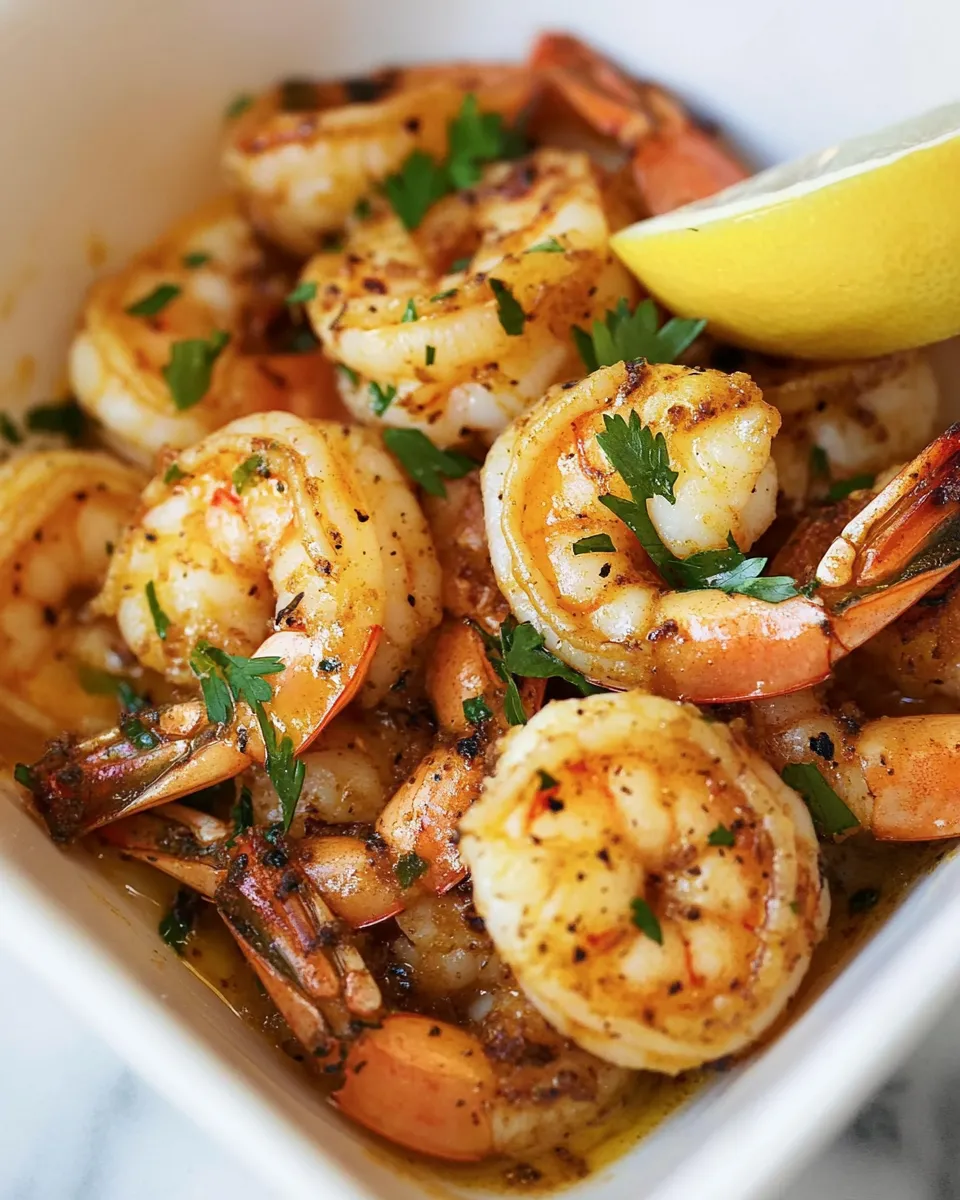
Follow these simple steps to create the perfect sauted shrimp:
Step 1: Prepare the Shrimp
Start by rinsing the shrimp under cold water and patting them dry with paper towels. This helps remove excess moisture for better searing.
Step 2: Season the Shrimp
In a mixing bowl, combine the shrimp with salt, pepper, smoked paprika, garlic powder, and ground cumin. Toss until the shrimp are evenly coated in the spices.
Step 3: Heat the Skillet
Place a large skillet over medium-high heat and add the extra-virgin olive oil. Allow it to heat until shimmering but not smoking.
Step 4: Saut the Shrimp
Add the seasoned shrimp to the skillet in a single layer. Let them cook for 2-3 minutes without stirring, allowing a nice crust to form. Then, flip them over and cook for another 2-3 minutes until they are opaque and pink.
Step 5: Finish with Butter
In the last minute of cooking, add the cold butter to the skillet. Swirl it around to melt and coat the shrimp in a luscious sauce.
Step 6: Garnish and Serve
Remove the skillet from heat and stir in the chopped parsley. Serve immediately with lemon wedges on the side for a burst of acidity that complements the flavors beautifully.
In-Season Swaps
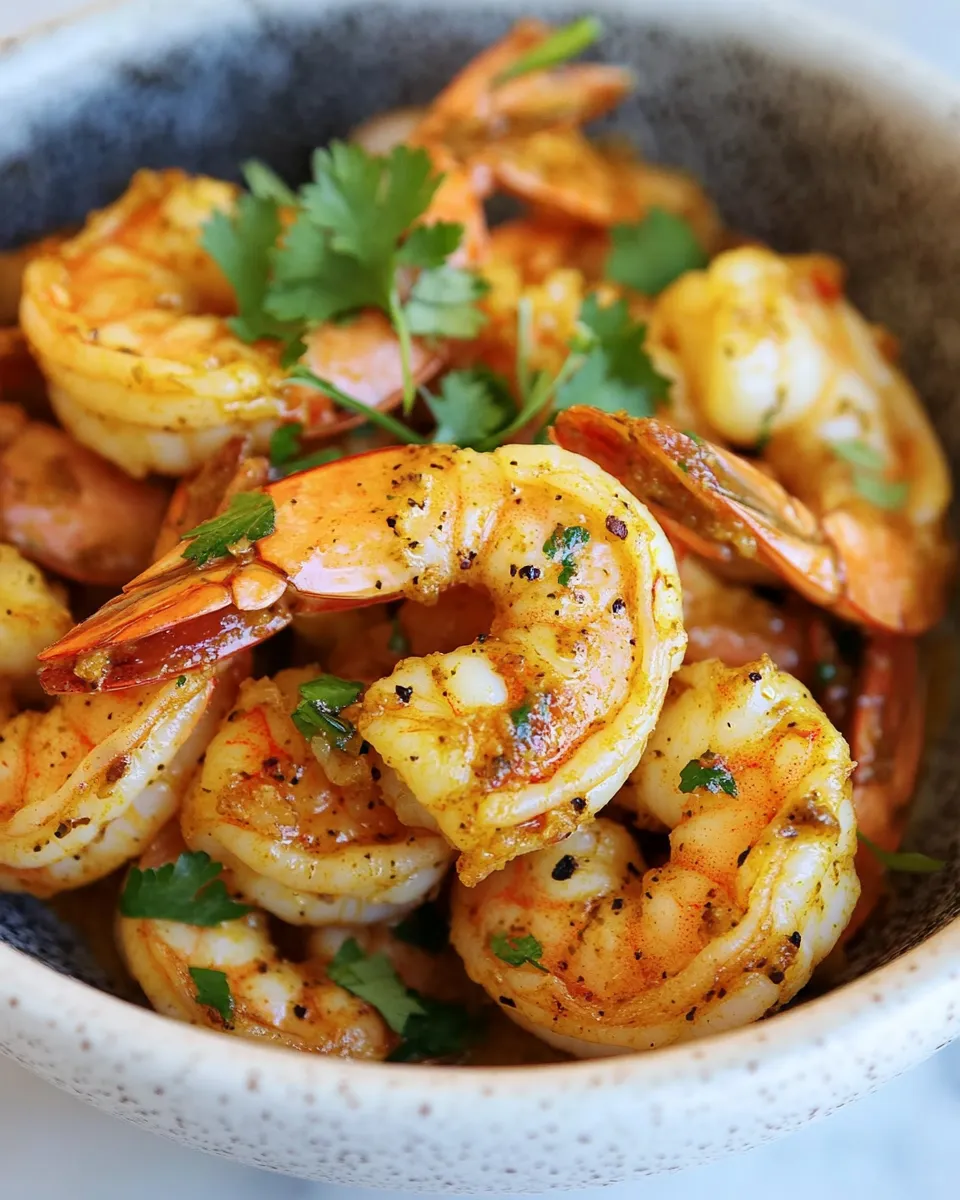
If you want to switch things up or find yourself without a particular ingredient, consider these in-season swaps:
- Different Proteins: Use scallops or chicken breast instead of shrimp for a different take.
- Fresh Herbs: Substitute parsley with cilantro or basil for varied flavors.
- Spices: Experiment with chili powder or lemon pepper in place of cumin for a kick.
- Vegetable Additions: Toss in some bell peppers or zucchini for added color and nutrition.
Frequent Missteps to Avoid
To ensure your sauted shrimp turns out perfectly every time, keep these common pitfalls in mind:
- Overcrowding the Pan: Cooking too many shrimp at once can lead to steaming instead of sauting. Cook in batches if necessary.
- Undercooking or Overcooking: Shrimp cook quickly; keep an eye on them to avoid rubbery or mushy textures.
- Skipping the Drying Step: Not drying the shrimp can result in less flavorful and soggy shrimp.
- Forgetting to Preheat the Pan: Make sure the oil is hot enough before adding the shrimp for the best sear.
Save for Later: Storage Tips
If you happen to have leftovers—or want to meal prep—here’s how to store sauted shrimp properly:
- Refrigerate: Place cooled shrimp in an airtight container and store in the fridge for up to 3 days.
- Freeze: For longer storage, freeze cooked shrimp in a single layer on a baking sheet, then transfer to a freezer-safe bag for up to 3 months.
- Reheat: Gently reheat shrimp on the stovetop over low heat to avoid overcooking.
Ask the Chef
Can I use frozen shrimp for this recipe?
Absolutely! Just make sure to thaw them completely and pat them dry before seasoning and cooking. This helps achieve the best texture.
What’s the best way to know when shrimp are done cooking?
Perfectly cooked shrimp will turn opaque and curl into a C-shape. If they’re still transparent or tightly curled, they need more time.
Can I add vegetables to the sauted shrimp?
Yes! Adding vegetables like bell peppers, zucchini, or asparagus can enhance the dish and provide more nutrients. Just make sure to sauté them first or cook them alongside the shrimp.
How can I make this dish spicier?
To add heat, consider incorporating red pepper flakes or a dash of hot sauce to the seasoning mix before cooking.
Serve with These
To round out your meal, consider pairing sauted shrimp with the following dishes:
- Garlic Butter Pasta – A simple and delightful choice.
- Classic Caesar Salad – A fresh, crisp complement to the shrimp.
- Mediterranean Quinoa Salad – A nutritious and colorful side.
- Lemon Herb Rice Pilaf – Perfect for soaking up the delicious juices.
The Last Word
Sauted shrimp is a dish that brings together simplicity and sophistication in a matter of minutes. With just a few quality ingredients and a little know-how, you can create a restaurant-quality meal right in your own kitchen. The smoky, savory flavors combined with the buttery finish and fresh parsley make each bite a savory delight. Whether you’re preparing a quick weeknight dinner or an elegant meal for guests, sauted shrimp is sure to impress.
Embrace the versatility of this dish by experimenting with different seasonings, sides, and serving styles. With shrimp being such a quick-cooking protein, you can easily adapt this recipe to suit your tastes or whatever ingredients you have on hand. So, grab your skillet, and get ready to enjoy the delightful experience of sauted shrimp!
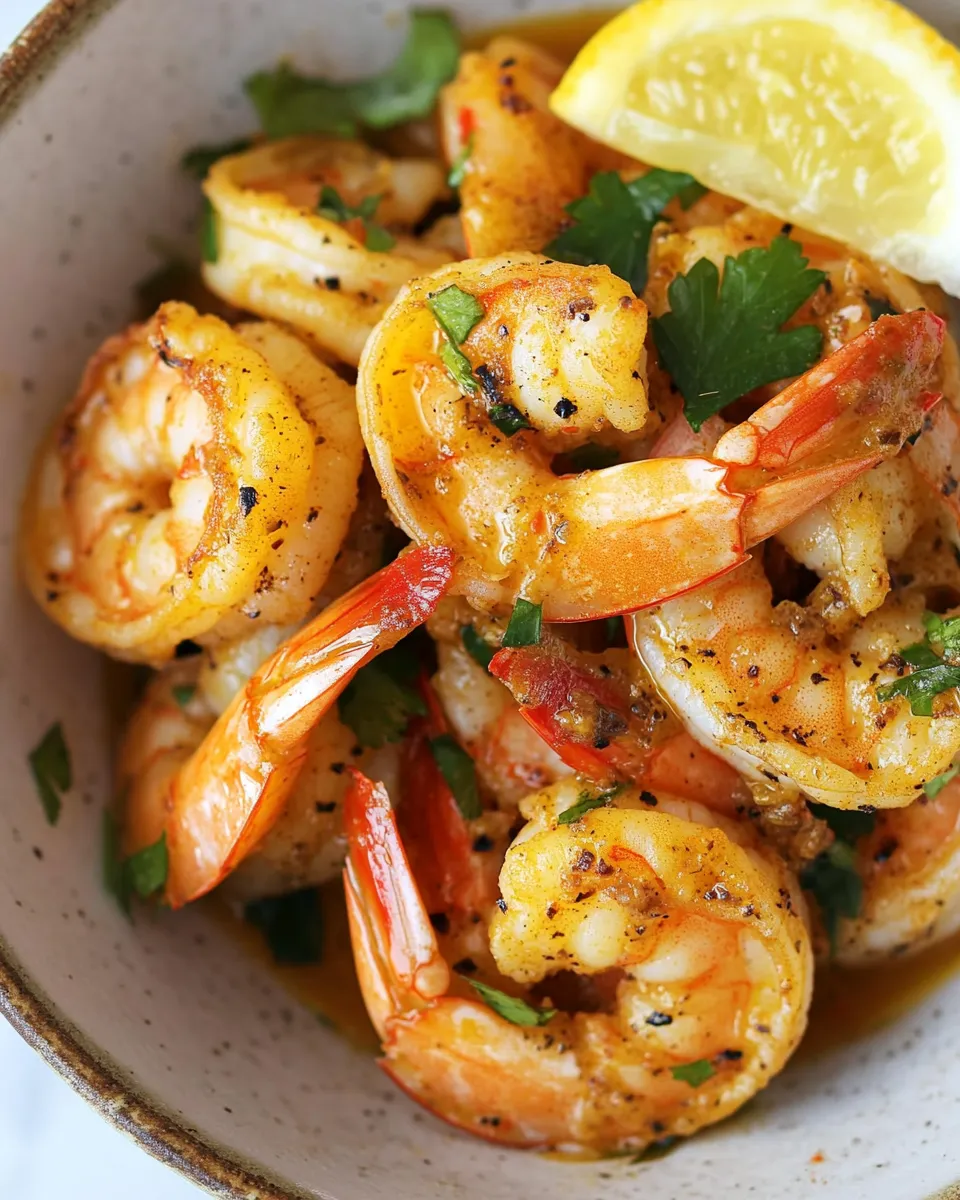
Sauted Shrimp
Ingredients
Equipment
Method
- Start by rinsing the shrimp under cold water and patting them dry with paper towels. This helps remove excess moisture for better searing.
- In a mixing bowl, combine the shrimp with salt, pepper, smoked paprika, garlic powder, and ground cumin. Toss until the shrimp are evenly coated in the spices.
- Place a large skillet over medium-high heat and add the extra-virgin olive oil. Allow it to heat until shimmering but not smoking.
- Add the seasoned shrimp to the skillet in a single layer. Let them cook for 2-3 minutes without stirring, allowing a nice crust to form. Then, flip them over and cook for another 2-3 minutes until they are opaque and pink.
- In the last minute of cooking, add the cold butter to the skillet. Swirl it around to melt and coat the shrimp in a luscious sauce.
- Remove the skillet from heat and stir in the chopped parsley. Serve immediately with lemon wedges on the side for a burst of acidity that complements the flavors beautifully.
Notes
- For a spicier kick, add red pepper flakes to the seasoning mix.
- Substitute shrimp with scallops or chicken for variety.
- Store leftovers in an airtight container in the fridge for up to 3 days.