Fettuccine Alfredo
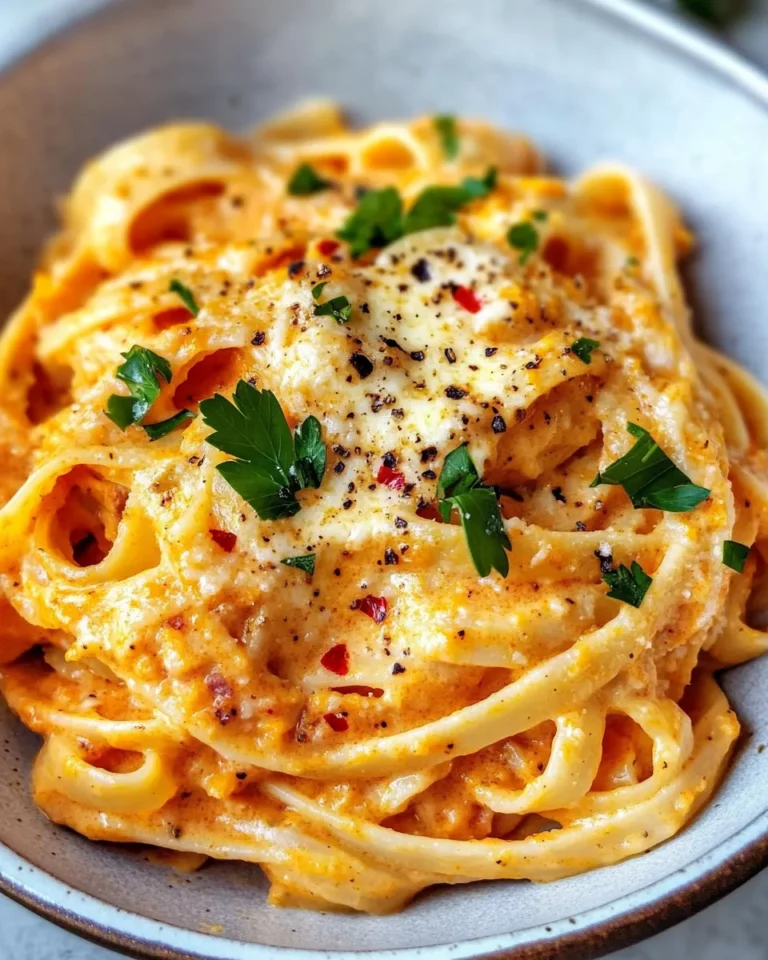
Fettuccine Alfredo is the epitome of comfort food. With its rich, creamy sauce and tender pasta, this dish brings warmth and joy to any dining table. The combination of silky fettuccine, butter, and cheese creates a symphony of flavors that is undeniably tempting. Perfect for a cozy night in or a special occasion, Fettuccine Alfredo is a classic that never goes out of style. Today, we’ll walk you through this delightful recipe, ensuring you can whip it up with ease.
Why This Recipe is a Keeper
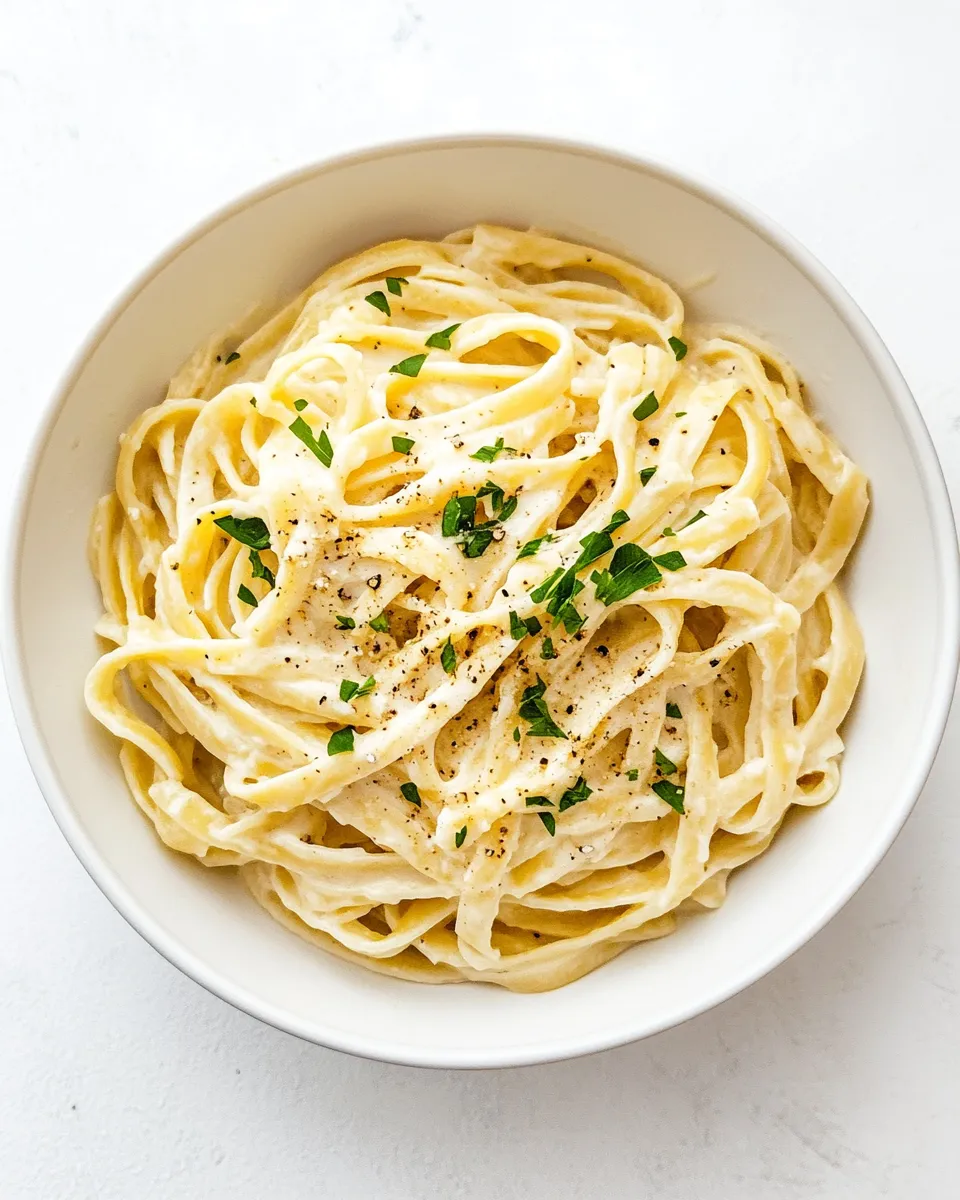
This Fettuccine Alfredo recipe is not just delicious; it’s incredibly simple to prepare. With just a handful of ingredients, you can create a restaurant-quality dish right in your own kitchen. The creamy sauce clings perfectly to the noodles, making every bite a little piece of heaven. Plus, it’s versatile enough to pair with various proteins and vegetables, making it a dish you’ll want to keep in your repertoire.
Ingredients at a Glance
- 1 lb fettuccine
- 1 cup (1 stick) unsalted butter
- 2 cloves garlic, minced
- 1 cup heavy cream
- 1 teaspoon salt
- 1 teaspoon freshly ground black pepper
- Pinch grated nutmeg
- 1 cup grated Parmigiano Reggiano cheese
Kitchen Gear Checklist
- Large Pot: For boiling the fettuccine.
- Skillet: To make the creamy sauce.
- Wooden Spoon: For stirring.
- Grater: To grate the cheese.
- Measuring Cups and Spoons: To ensure accurate measurements.
Fettuccine Alfredo in Steps
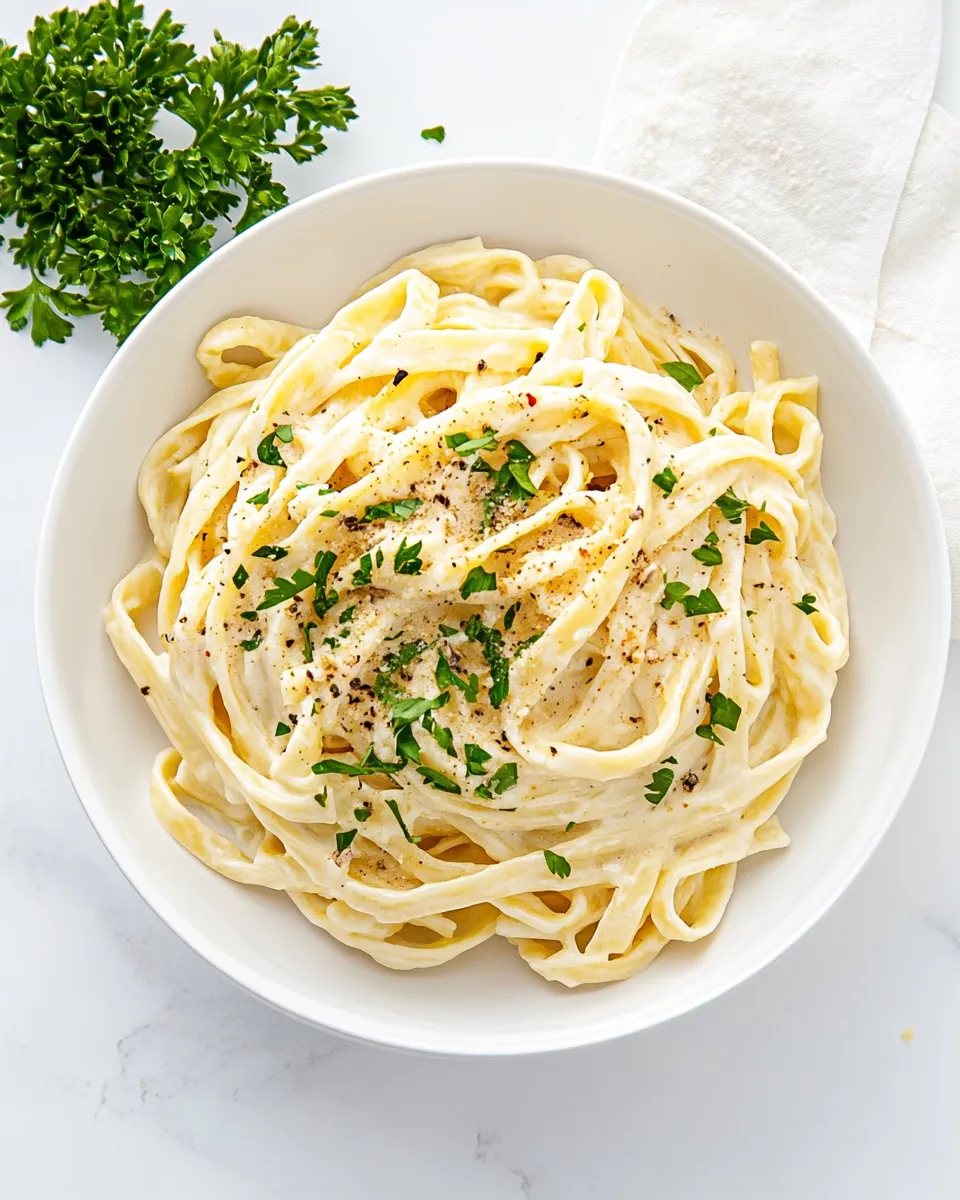
Step 1: Cook the Fettuccine
Begin by bringing a large pot of salted water to a boil. Add the fettuccine and cook according to the package instructions until al dente. Reserve about 1 cup of pasta water, then drain the rest.
Step 2: Prepare the Sauce
In a large skillet, melt the unsalted butter over medium heat. Add the minced garlic and sauté for about 1 minute, or until fragrant. Be careful not to burn the garlic.
Step 3: Add Cream
Pour in the heavy cream and stir to combine with the garlic and butter. Let this simmer for about 2-3 minutes until it thickens slightly.
Step 4: Season the Sauce
Add the salt, freshly ground black pepper, and a pinch of grated nutmeg to the sauce. Stir well to incorporate all the flavors.
Step 5: Combine Pasta and Sauce
Add the cooked fettuccine to the skillet with the sauce. Toss to coat the pasta evenly. If the sauce is too thick, gradually add some reserved pasta water until you reach your desired consistency.
Step 6: Finish with Cheese
Remove the skillet from heat and stir in the grated Parmigiano Reggiano cheese. Continue to toss until the cheese melts and the sauce becomes creamy and luscious.
Health-Conscious Tweaks
- Substitute half-and-half for heavy cream for a lighter version.
- Use whole wheat fettuccine for added fiber.
- Incorporate vegetables like spinach or broccoli for extra nutrients.
- Try using nutritional yeast in place of cheese for a dairy-free option.
Don’t Do This
When making Fettuccine Alfredo, avoid boiling the pasta too long; it should be al dente to hold its shape and texture. Additionally, do not skimp on the cheese; it’s essential for achieving that classic Alfredo flavor. Lastly, be cautious with the heat when making the sauce; high temperatures can cause the cream to curdle.
Storing, Freezing & Reheating
Leftover Fettuccine Alfredo can be stored in an airtight container in the refrigerator for up to 3 days. To reheat, gently warm it on the stove over low heat, adding a splash of milk or reserved pasta water to loosen the sauce. If you want to freeze it, be aware that the texture may change slightly. It’s best to freeze the sauce separately from the pasta and consume it within 1 month for optimal flavor.
Top Questions & Answers
Can I make Fettuccine Alfredo ahead of time?
Yes, you can prepare the sauce in advance and store it in the refrigerator. Just reheat it gently before combining it with freshly cooked fettuccine.
What can I add to Fettuccine Alfredo?
Feel free to customize your dish! Grilled chicken, shrimp, or sautéed mushrooms make excellent additions. For a twist, try Garlic Butter Scallop Fettuccine or Creamy Pumpkin Sage Fettuccine.
Is Fettuccine Alfredo suitable for vegetarians?
Yes, Fettuccine Alfredo can be made vegetarian by using vegetable broth instead of chicken broth and omitting any meat additions.
Can I use a different type of pasta?
Absolutely! While fettuccine is traditional, you can use any pasta shape you prefer, such as penne, linguine, or even spiralized zucchini for a low-carb option.
Keep Cooking
See You at the Table
Indulging in a plate of Fettuccine Alfredo is an experience that delights the senses and warms the heart. From the creamy sauce to the perfectly cooked pasta, every bite is a reminder of the joys of cooking and sharing a meal with loved ones. This dish is not only a testament to the beauty of simple ingredients but also a celebration of comfort and satisfaction. So, gather your ingredients, follow the steps, and savor the deliciousness that is Fettuccine Alfredo. Enjoy!
Share on Pinterest

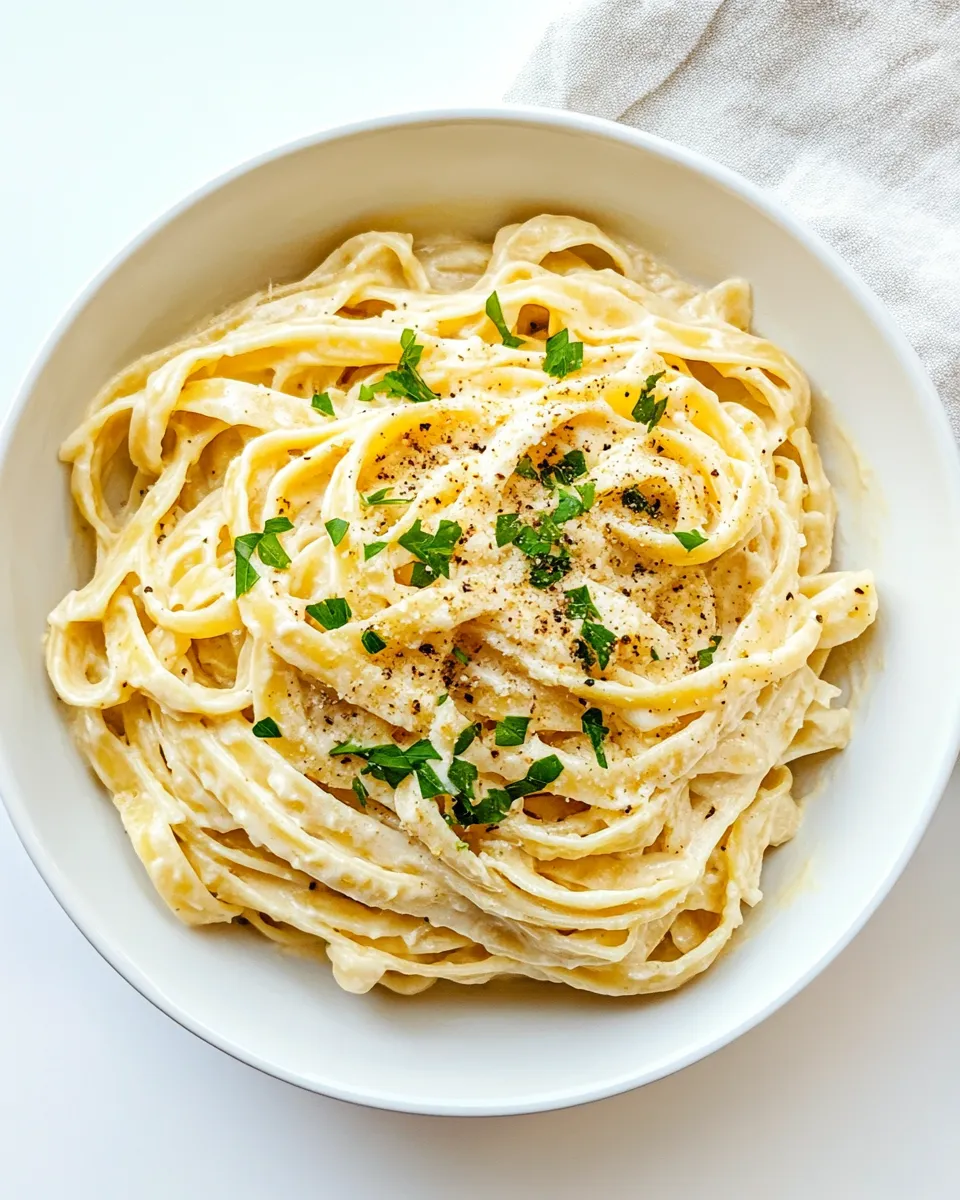
Fettuccine Alfredo
Ingredients
Equipment
Method
- Begin by bringing a large pot of salted water to a boil. Add the fettuccine and cook according to the package instructions until al dente. Reserve about 1 cup of pasta water, then drain the rest.
- In a large skillet, melt the unsalted butter over medium heat. Add the minced garlic and sauté for about 1 minute, or until fragrant. Be careful not to burn the garlic.
- Pour in the heavy cream and stir to combine with the garlic and butter. Let this simmer for about 2-3 minutes until it thickens slightly.
- Add the salt, freshly ground black pepper, and a pinch of grated nutmeg to the sauce. Stir well to incorporate all the flavors.
- Add the cooked fettuccine to the skillet with the sauce. Toss to coat the pasta evenly. If the sauce is too thick, gradually add some reserved pasta water until you reach your desired consistency.
- Remove the skillet from heat and stir in the grated Parmigiano Reggiano cheese. Continue to toss until the cheese melts and the sauce becomes creamy and luscious.
Notes
- For a lighter version, substitute half-and-half for heavy cream.
- Add vegetables like spinach or broccoli for extra nutrients.
- Store leftovers in an airtight container in the fridge for up to 3 days.