Slow Roasted Prime Rib Recipe
When it comes to special occasions, nothing quite says celebration like a perfectly cooked prime rib. This Slow Roasted Prime Rib Recipe is designed to impress your guests and elevate your dining experience. With a tender, juicy interior and a beautifully crusted exterior, this dish will quickly become a favorite among your family and friends. Whether it’s a holiday feast or a Sunday dinner, mastering the art of slow-roasting a prime rib roast is a skill worth having in your culinary repertoire. Let’s dive into the details that make this recipe truly special.
What Makes This Recipe Special
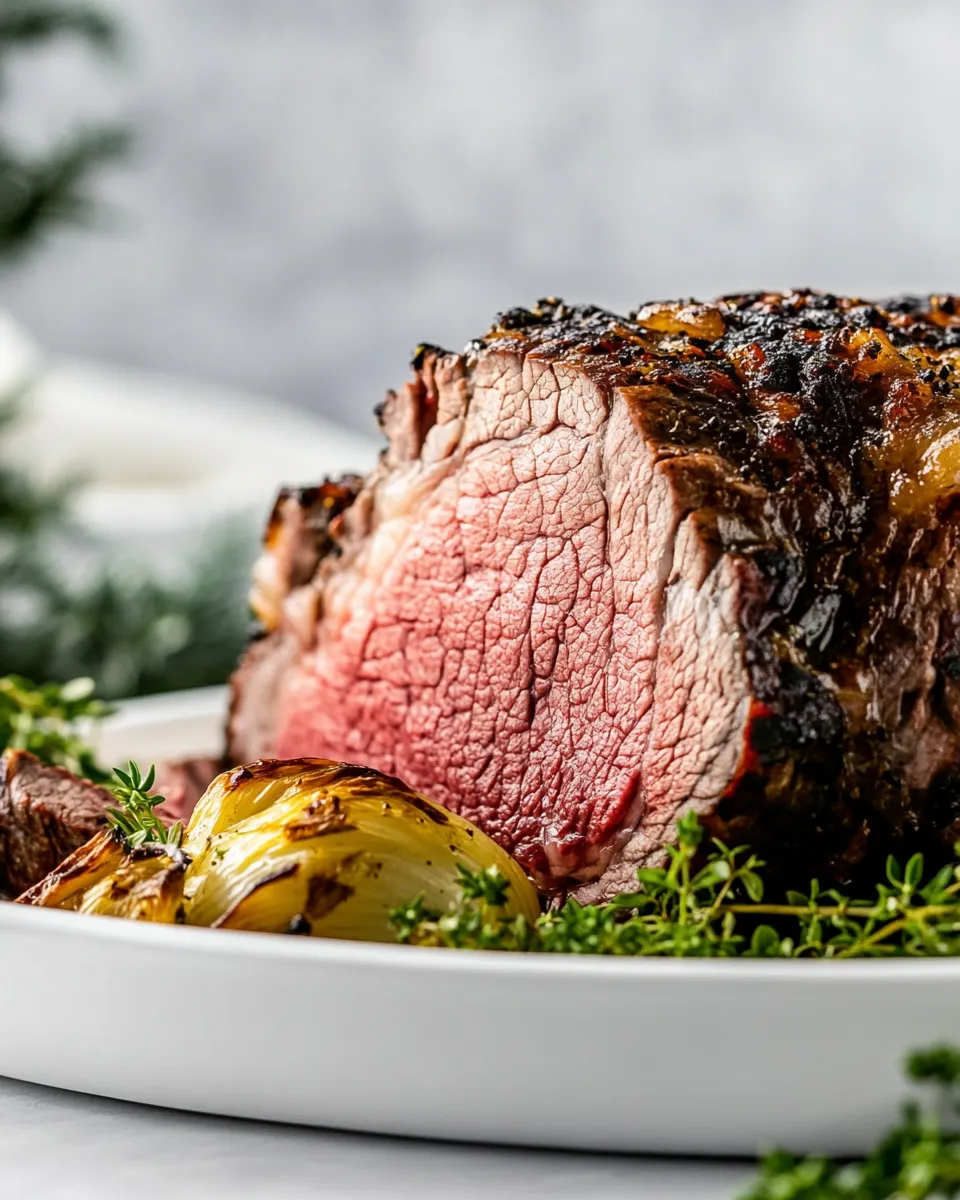
This Slow Roasted Prime Rib Recipe stands out for a few reasons. First and foremost, the slow roasting process allows the meat to retain its natural juices, resulting in a tender, flavorful roast. The seasoning is simple yet impactful; kosher salt enhances the beefy flavor without overwhelming it. The canola oil helps create a beautiful golden-brown crust that adds texture to each bite. Plus, this method requires minimal active cooking time, allowing you to enjoy the company of your guests while your roast cooks to perfection.
Shopping List
To create this stunning centerpiece, you’ll need the following ingredients:
- 1 6 lb Bone-In Standing Rib Roast
- 2 tablespoons canola oil
- Kosher salt (enough to generously season the roast)
- Optional: Fresh herbs like rosemary or thyme for added flavor
Make sure to select a high-quality cut of meat from your local butcher or grocery store. The quality of the meat is vital for achieving a delicious result.
Tools & Equipment Needed
Before you get started, gather the following equipment:
- Roasting Pan: A sturdy pan to hold the roast while it cooks.
- Meat Thermometer: Essential for tracking the internal temperature for perfect doneness.
- Sharp Knife: For carving the roast once it’s cooked.
- Cutting Board: A large board to stabilize the roast while carving.
- Aluminum Foil: To tent the roast while resting.
Having the right tools will make the cooking process smoother and more enjoyable.
Slow Roasted Prime Rib Recipe, Made Easy
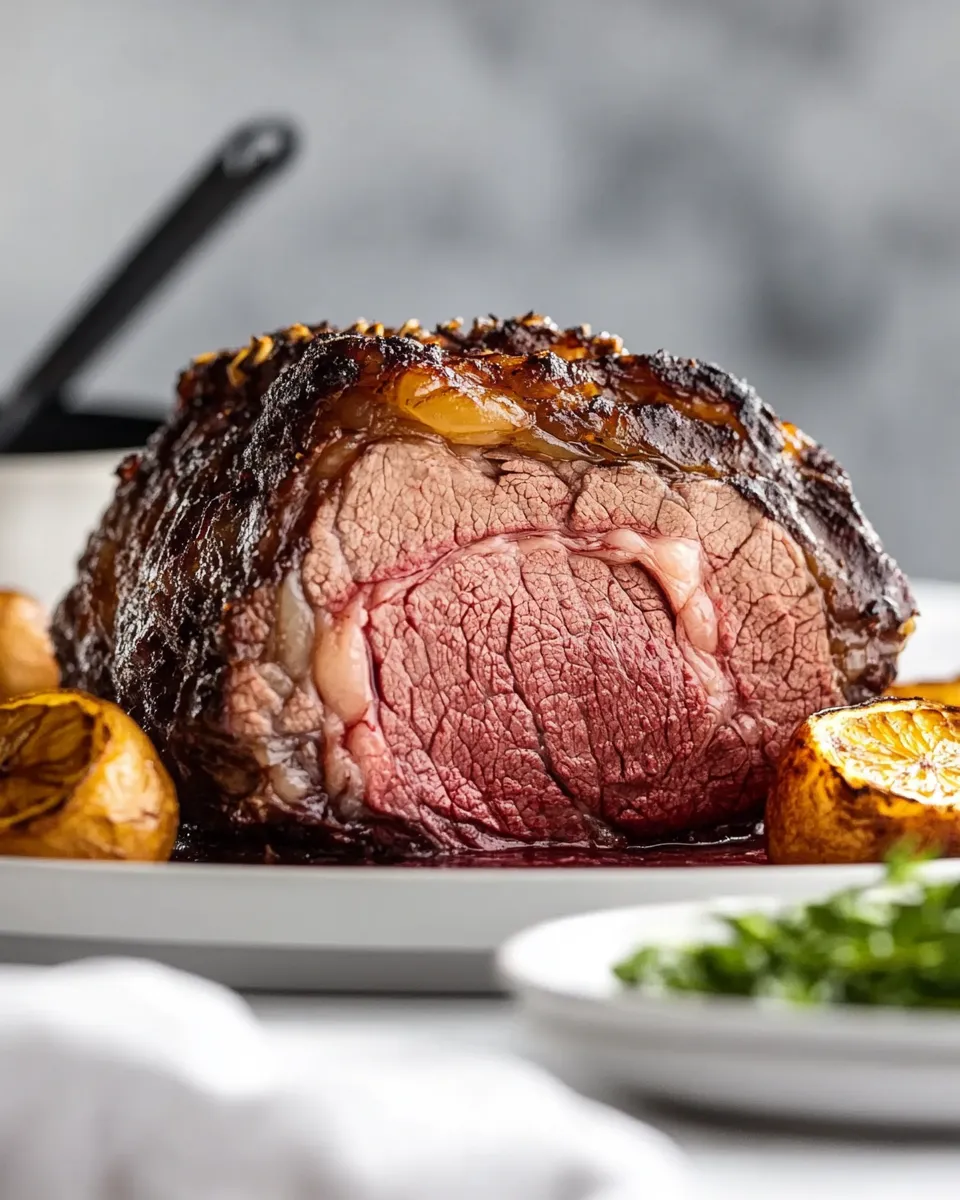
Follow these simple steps to create your Slow Roasted Prime Rib Recipe masterpiece.
Step 1: Prepare the Roast
Remove the prime rib from the refrigerator and let it sit at room temperature for about 1 hour before cooking. This allows for more even cooking.
Step 2: Season Generously
Preheat your oven to 450°F (232°C). Pat the roast dry with paper towels. Rub the entire surface with canola oil and season generously with kosher salt. Don’t be shy; the salt will help form that delicious crust.
Step 3: Sear the Roast
Place the seasoned roast in a roasting pan, bone-side down. Roast in the preheated oven for 20 minutes. This high heat helps create a beautiful crust.
Step 4: Lower the Temperature
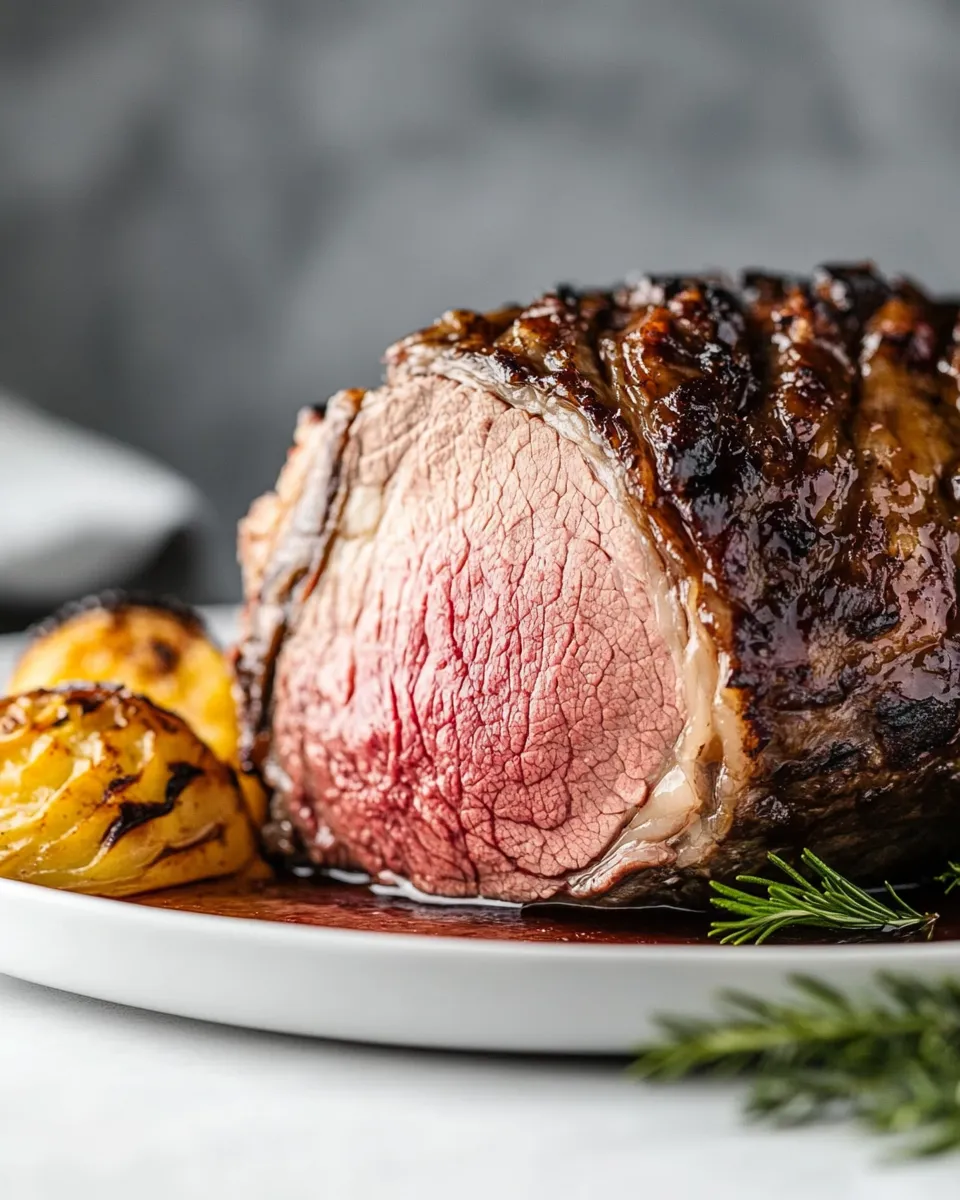
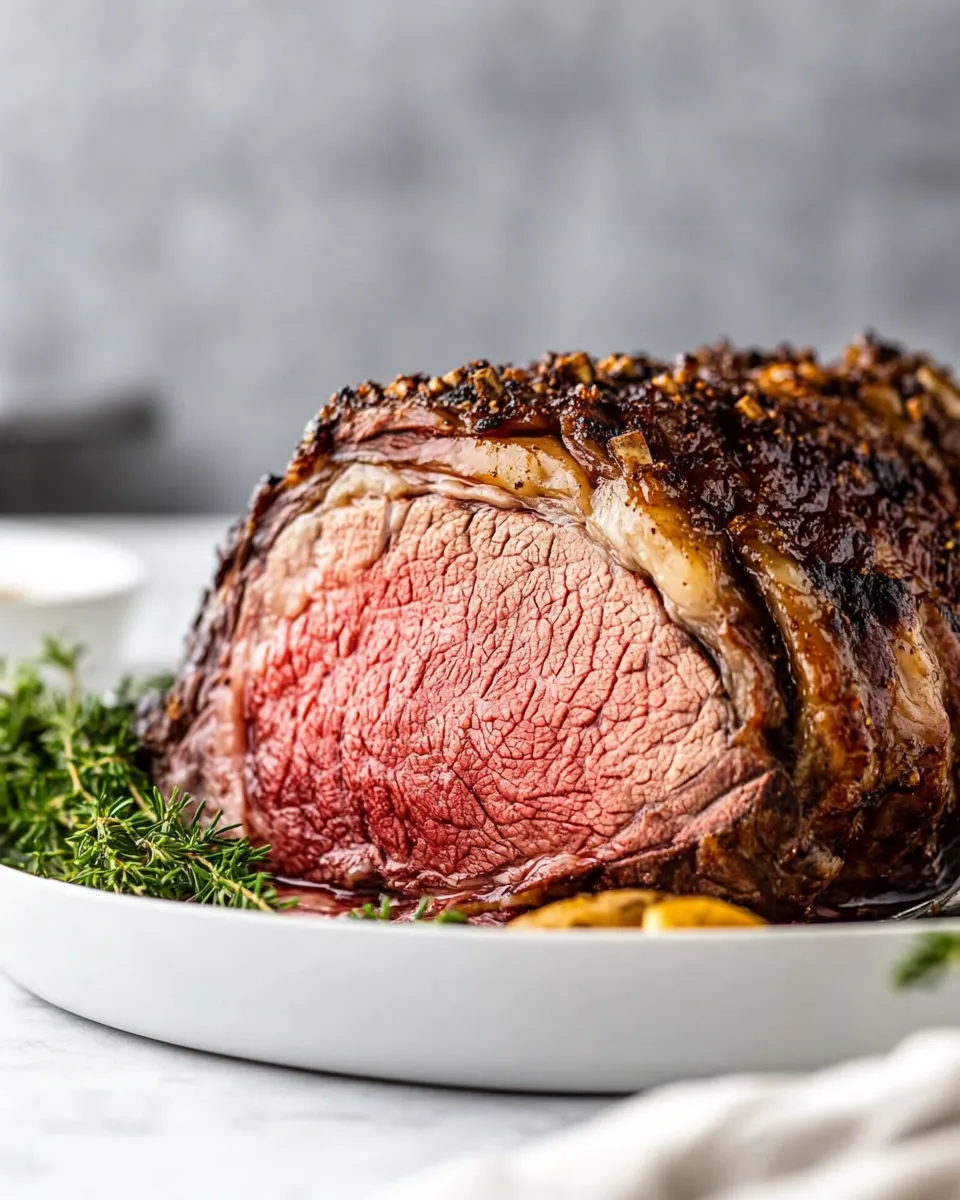
After 20 minutes, reduce the oven temperature to 325°F (163°C) without opening the oven door. Continue roasting until the internal temperature reaches your desired level of doneness. For medium-rare, aim for about 130°F (54°C).
Step 5: Rest the Roast
Once the roast reaches the desired temperature, remove it from the oven and tent loosely with aluminum foil. Let it rest for at least 20-30 minutes. This resting period allows the juices to redistribute throughout the meat.
Step 6: Carve and Serve
After resting, transfer the roast to a cutting board. Using a sharp knife, slice the roast against the grain to your desired thickness. Serve with your favorite sides and enjoy the fruits of your labor!
Tailor It to Your Diet
This Slow Roasted Prime Rib Recipe is versatile and can be tailored to fit different dietary preferences:
- Herb Infusion: Add fresh herbs such as rosemary or thyme when seasoning for an aromatic touch.
- Gluten-Free: This recipe is naturally gluten-free, making it a great choice for gluten-sensitive diners.
- Spice it Up: Incorporate spices like garlic powder or black pepper for an extra kick.
- Vegetarian Sides: Pair with hearty vegetable sides for a well-rounded meal.
Feel free to get creative with your sides and accompaniments to tailor the meal to your guests’ preferences.
What Could Go Wrong
Even the best cooks can encounter a few hiccups. Here are some potential pitfalls to watch out for:
- Overcooking: Keep a close eye on the internal temperature to avoid a dry roast.
- Insufficient Seasoning: Don’t skimp on the kosher salt; it’s crucial for flavor.
- Skipping the Resting Period: Cutting into the roast too soon can lead to a loss of juicy goodness.
- Not Using a Meat Thermometer: Investing in a good thermometer is worth it to ensure perfect doneness.
By being aware of these potential issues, you can avoid common mistakes and achieve a fantastic result.
Keep-It-Fresh Plan
If you have leftovers (which is often the case with prime rib), here’s how to keep them fresh:
- Refrigerate: Store leftover prime rib in an airtight container in the refrigerator for up to 3-4 days.
- Freeze: For longer storage, wrap slices tightly in plastic wrap and place in a freezer bag for up to 3 months.
- Reheat Gently: When reheating, do so slowly in the oven or microwave to prevent drying out.
With proper storage, you can enjoy delicious prime rib sandwiches or salads in the days following your feast!
Ask the Chef
Can I use a different cut of meat for this recipe?
Absolutely! While this recipe is designed for a standing rib roast, you can use other cuts like ribeye or tenderloin. Just adjust cooking times based on the cut and thickness of the meat.
What’s the best way to tell when my prime rib is done?
The best way to check for doneness is with a meat thermometer. For medium-rare, you’re looking for an internal temperature of about 130°F (54°C). Remember to remove the roast from the oven a few degrees before it reaches your target temperature, as it will continue to cook while resting.
Can I make this recipe in advance?
You can season the roast a day in advance and let it marinate in the refrigerator. However, it’s best to roast it on the day you plan to serve it for optimal freshness and flavor.
What sides pair well with prime rib?
Classic sides include mashed potatoes, roasted vegetables, Yorkshire pudding, and a fresh green salad. Feel free to mix and match based on your personal preferences!
Don’t Miss These
Be sure to check out these related recipes that will complement your prime rib dinner:
These recipes will round out your meal beautifully and leave your guests raving about the entire dining experience.
Final Thoughts
There you have it—a detailed guide to preparing a stunning Slow Roasted Prime Rib Recipe that is sure to impress. With the right ingredients, tools, and techniques, you’ll create a dish that not only looks incredible but tastes even better. Remember to take your time, enjoy the process, and savor the flavors. Cooking is as much about the experience as it is about the food. Happy roasting!
Slow Roasted Prime Rib Recipe
Ingredients
Equipment
Method
- Remove the prime rib from the refrigerator and let it sit at room temperature for about 1 hour before cooking.
- Preheat your oven to 450°F (232°C). Pat the roast dry with paper towels. Rub the entire surface with canola oil and season generously with kosher salt.
- Place the seasoned roast in a roasting pan, bone-side down. Roast in the preheated oven for 20 minutes.
- After 20 minutes, reduce the oven temperature to 325°F (163°C) without opening the oven door. Continue roasting until the internal temperature reaches about 130°F (54°C) for medium-rare.
- Once the roast reaches the desired temperature, remove it from the oven and tent loosely with aluminum foil. Let it rest for at least 20-30 minutes.
- After resting, transfer the roast to a cutting board. Using a sharp knife, slice the roast against the grain to your desired thickness.
Notes
- Use a digital meat thermometer for precise cooking results.
- Allow the roast to rest to keep it juicy.
- Pair with classic sides like mashed potatoes or roasted vegetables.