How to Make Soft Boiled Eggs
There’s something undeniably delightful about a perfectly cooked soft boiled egg. Its delicate, silky texture and rich, golden yolk can elevate any meal, whether it’s breakfast, lunch, or dinner. If you’re looking to master this culinary art, you’ve landed in the right place! In this guide, we’ll walk you through how to make soft boiled eggs that are sure to impress not just yourself but anyone lucky enough to share your table.
Why How to Make Soft Boiled Eggs is Worth Your Time
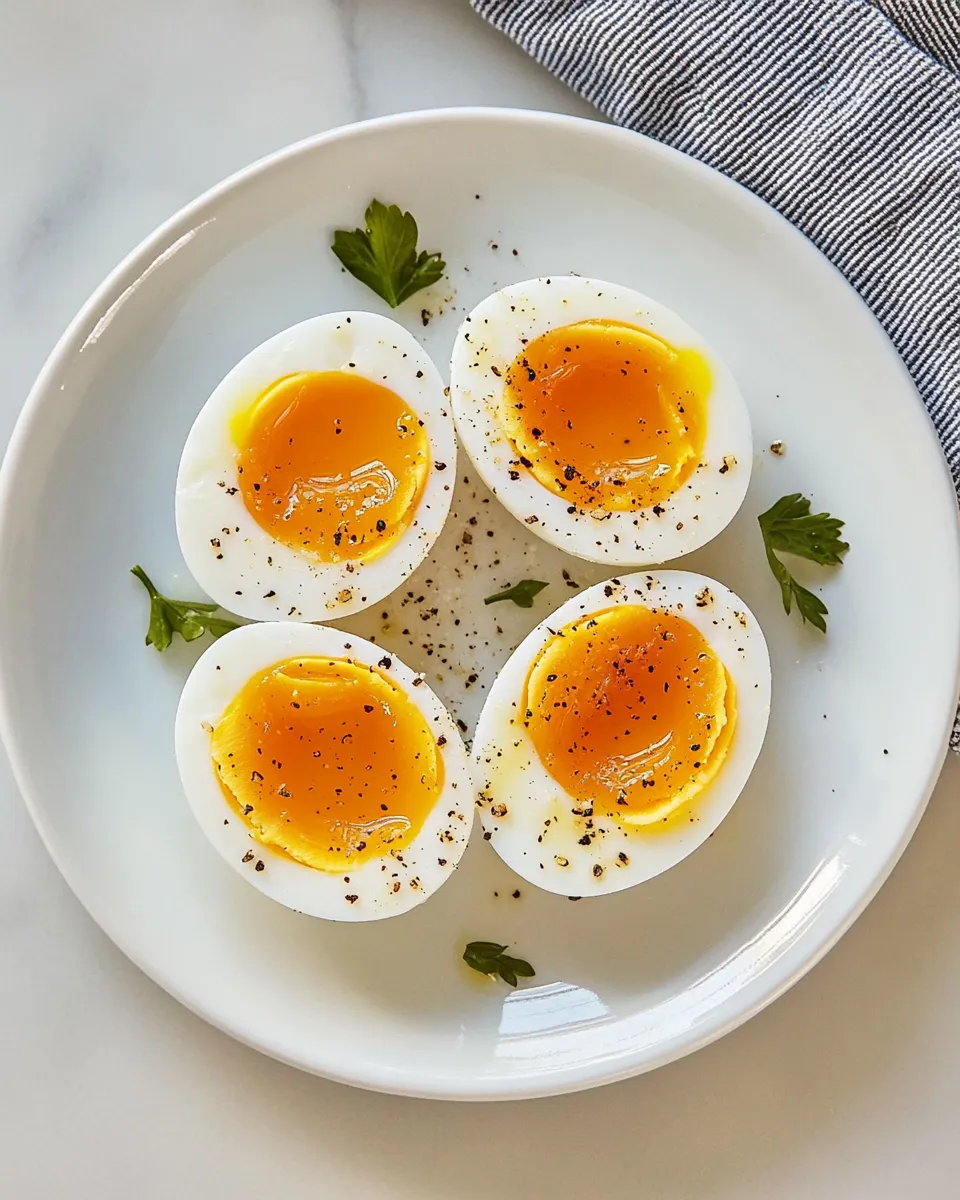
Soft boiled eggs are more than just a breakfast staple; they’re a versatile ingredient that can enhance salads, ramen, and even toast. The beauty of a soft boiled egg lies in its simplicity. With just a few ingredients and a little bit of timing, you can create a dish that feels luxurious and comforting. Plus, they’re packed with protein, making them a great addition to any meal. Once you get the hang of how to make soft boiled eggs, you’ll find yourself adding them to dishes you hadn’t even considered before.
Ingredient Notes
- Large Eggs: The star of the show! Fresh, large eggs yield the best results.
- Sea Salt: A sprinkle of sea salt enhances the flavor of the eggs and brings out their natural richness.
- Freshly Ground Black Pepper: This adds a nice kick and balances the creamy yolk beautifully.
Before You Start: Equipment
- Pot: A medium-sized pot to hold the water and eggs.
- Slotted Spoon: Perfect for gently removing the eggs from boiling water.
- Timer: To ensure precision in cooking times.
- Ice Bath Bowl: A bowl filled with ice and water to stop the cooking process.
How to Make Soft Boiled Eggs: How It’s Done
Step 1: Prepare Your Ingredients
Start by gathering all your ingredients and equipment. It’s essential to have everything ready before you begin cooking.
Step 2: Boil the Water
Fill your pot with enough water to cover the eggs by about an inch. Bring the water to a rolling boil over medium-high heat.
Step 3: Lower the Heat
Once the water is boiling, reduce the heat to a gentle simmer. This will prevent the eggs from bouncing around and cracking.
Step 4: Add the Eggs
Using the slotted spoon, carefully lower the eggs into the simmering water. Be cautious to avoid splashing the hot water.
Step 5: Set Your Timer
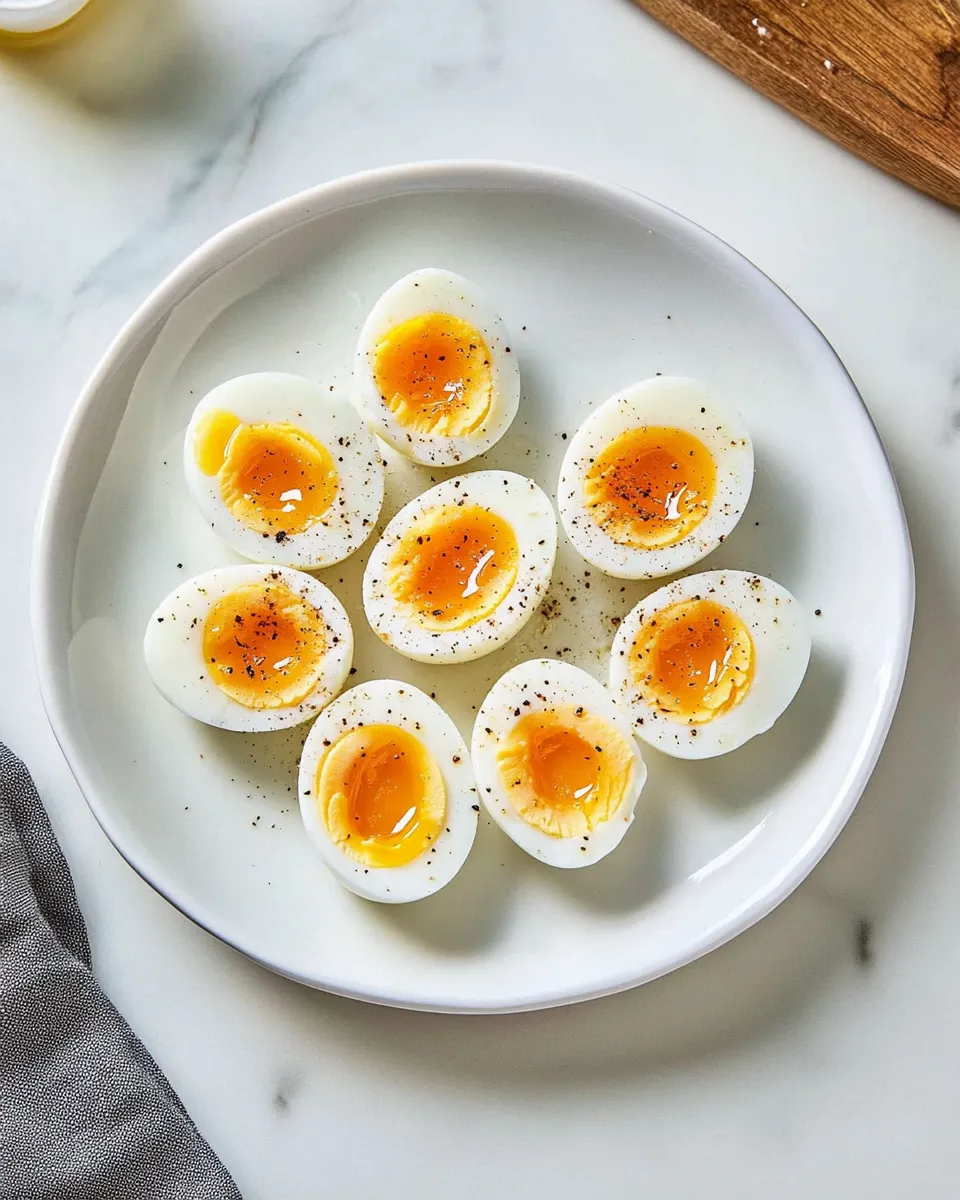
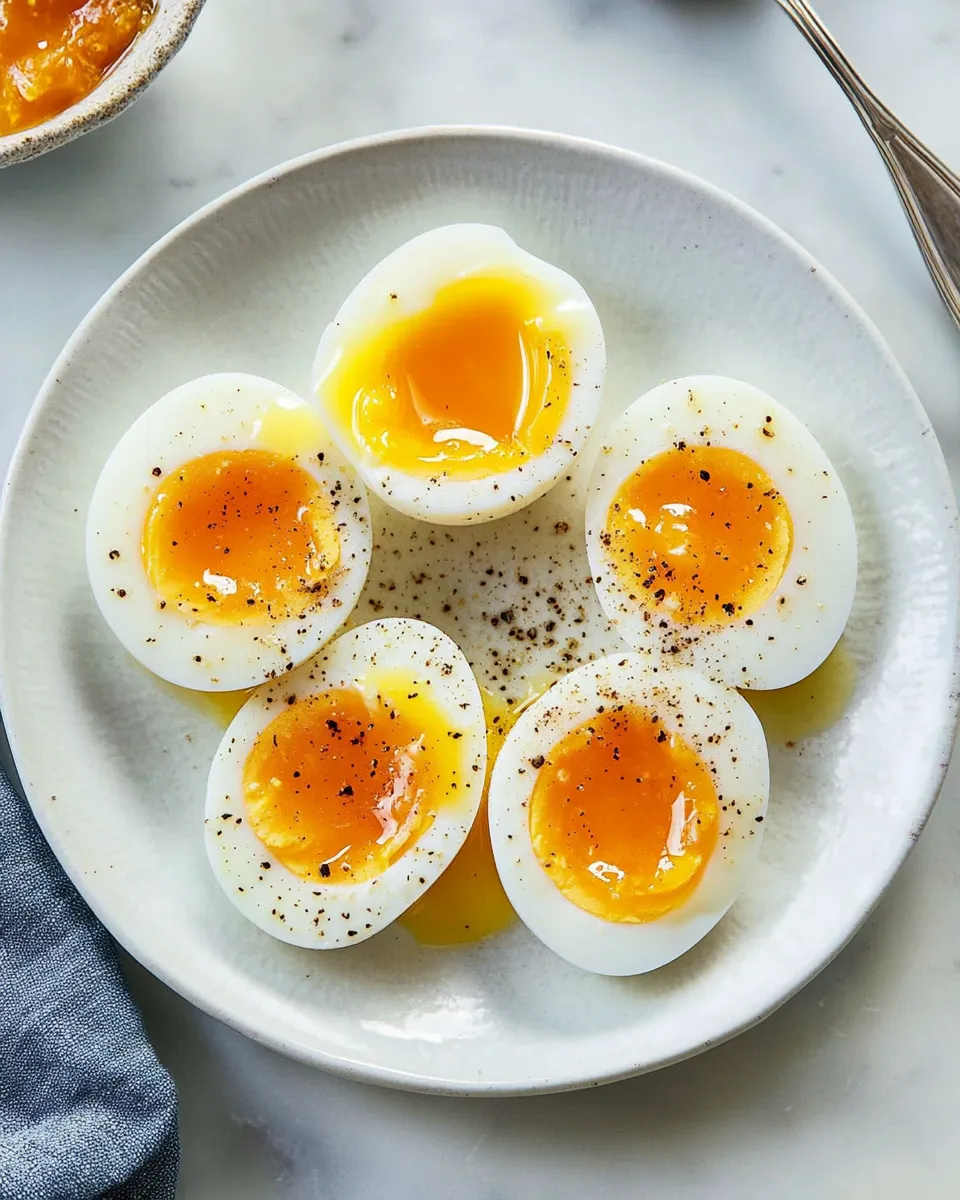
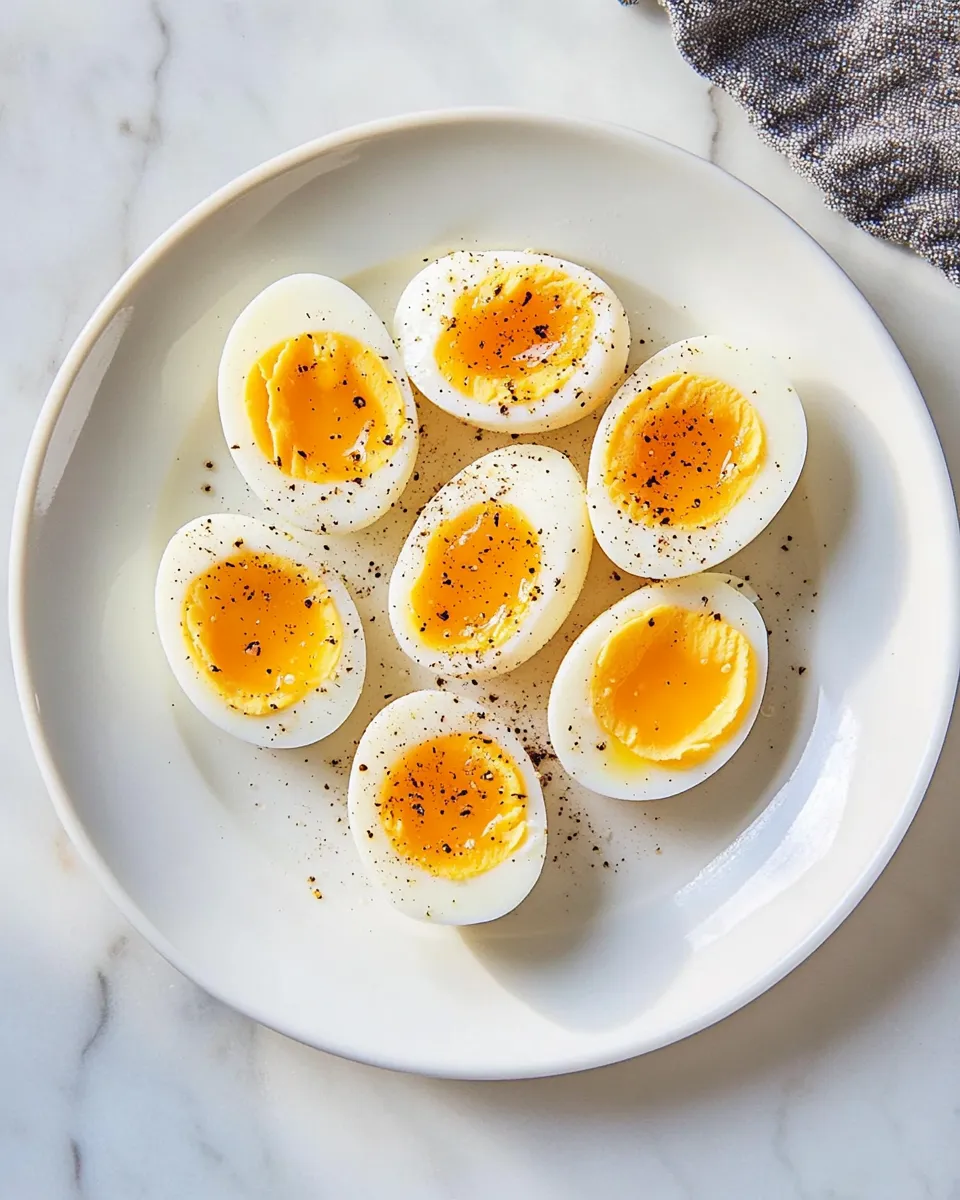
For a perfect soft boiled egg, set your timer for 6 to 7 minutes. Six minutes will yield a runnier yolk, while seven minutes will give you a slightly firmer texture.
Step 6: Prepare the Ice Bath
While the eggs are cooking, prepare your ice bath. Fill a bowl with cold water and ice cubes. This will stop the cooking process immediately once the eggs are done.
Step 7: Transfer the Eggs
When the timer goes off, carefully remove the eggs from the boiling water with your slotted spoon and transfer them to the ice bath. Let them sit for 5 minutes to cool.
Step 8: Peel and Serve
Once cooled, gently tap the eggs on a hard surface to crack the shell and peel under running water for easier removal. Serve warm, topped with a sprinkle of sea salt and freshly ground black pepper.
Variations for Dietary Needs
- Vegetarian: This recipe is naturally vegetarian.
- Vegan Alternative: Try using silken tofu or avocado as a creamy topping for dishes that would typically use soft boiled eggs.
- Gluten-Free: Soft boiled eggs are gluten-free, making them a safe choice for those with gluten sensitivities.
Pitfalls & How to Prevent Them
Even the best chefs can encounter challenges when making soft boiled eggs. Here are a few common pitfalls and how to avoid them:
- Cracked Shells: Avoid this by gently lowering the eggs into the pot and using room temperature eggs instead of cold ones.
- Overcooked Eggs: Time is critical! Keep an eye on your timer and make sure to transfer the eggs to the ice bath promptly.
- Difficulty Peeling: If the shell sticks, try peeling the egg under running water to help remove the shell more easily.
Freezer-Friendly Notes
Soft boiled eggs are best enjoyed fresh, but if you find yourself with leftovers, you can freeze them. However, be aware that the texture may change upon thawing. To freeze, cool the eggs completely, peel them, and place them in an airtight container. They can be stored in the freezer for up to three months. When ready to use, thaw in the refrigerator overnight and reheat gently in warm water.
Your Top Questions
Can I use different sizes of eggs?
While large eggs are recommended for this recipe, you can use medium or extra-large eggs. Just adjust your cooking time slightly, as smaller eggs may cook faster, and larger ones may require a minute or two longer.
How do I know when my eggs are done?
The best way to ensure your eggs are cooked to your liking is to use a timer. For a soft, runny yolk, aim for 6 minutes. For a slightly firmer yolk, 7 minutes is ideal. You can also perform a gentle shake test; if the yolk feels slightly jiggly, it’s likely done.
What’s the best way to season soft boiled eggs?
A sprinkle of sea salt and freshly ground black pepper is a classic choice. You can also experiment with chili flakes, everything bagel seasoning, or even a drizzle of soy sauce for an umami kick.
Can I make soft boiled eggs ahead of time?
Yes! You can make soft boiled eggs in advance. Just be sure to store them in the refrigerator and consume them within a few days for the best quality. Reheat them gently in warm water before serving.
You Might Also Like
- Avocado Toast with Poached Egg
- Delicious Ramen Bowl
- Sweet Potato Breakfast Bowl
- Creamy Scrambled Eggs
Final Bite
Now that you know how to make soft boiled eggs, you can enjoy their rich, creamy goodness any time you want. Whether you’re topping your favorite dishes or enjoying them on their own, these soft boiled eggs are a simple yet elegant addition to your culinary repertoire. So go ahead, gather your ingredients, and get cooking! You’ll find that mastering the art of soft boiled eggs is not just satisfying, but also a delicious way to impress family and friends. Enjoy every bite!
How to Make Soft Boiled Eggs
Ingredients
Equipment
Method
- Gather all your ingredients and equipment.
- Fill the pot with enough water to cover the eggs by about an inch and bring it to a rolling boil over medium-high heat.
- Reduce heat to a gentle simmer to prevent the eggs from bouncing around and cracking.
- Carefully lower the eggs into the simmering water using a slotted spoon.
- Set your timer for 6 to 7 minutes depending on how runny you want the yolk.
- Prepare an ice bath while the eggs are cooking to stop the cooking process once they are done.
- When the timer goes off, transfer the eggs to the ice bath for 5 minutes to cool.
- Gently tap the eggs on a hard surface to crack the shell and peel them under running water.
- Serve warm, topped with sea salt and freshly ground black pepper.
Notes
- Use fresh eggs for the best texture and flavor.
- Adjust cooking time based on egg size for perfect results.
- Store leftovers in the fridge and consume within a few days.